As aviation systems grow in complexity, States are increasingly seeking innovative ways to strengthen both safety oversight and accident and incident investigation capabilities while making the most of limited technical resources. Delegation of safety oversight and accident investigation functions has emerged as a practical and strategic solution—enabling States to work collectively, access specialized expertise, and build more resilient systems, all while retaining full responsibility under the Chicago Convention. Recognizing this growing need, ICAO has been actively supporting States through targeted capacity-building initiatives, most notably the Workshop on Effective Delegation and Regional Cooperation.
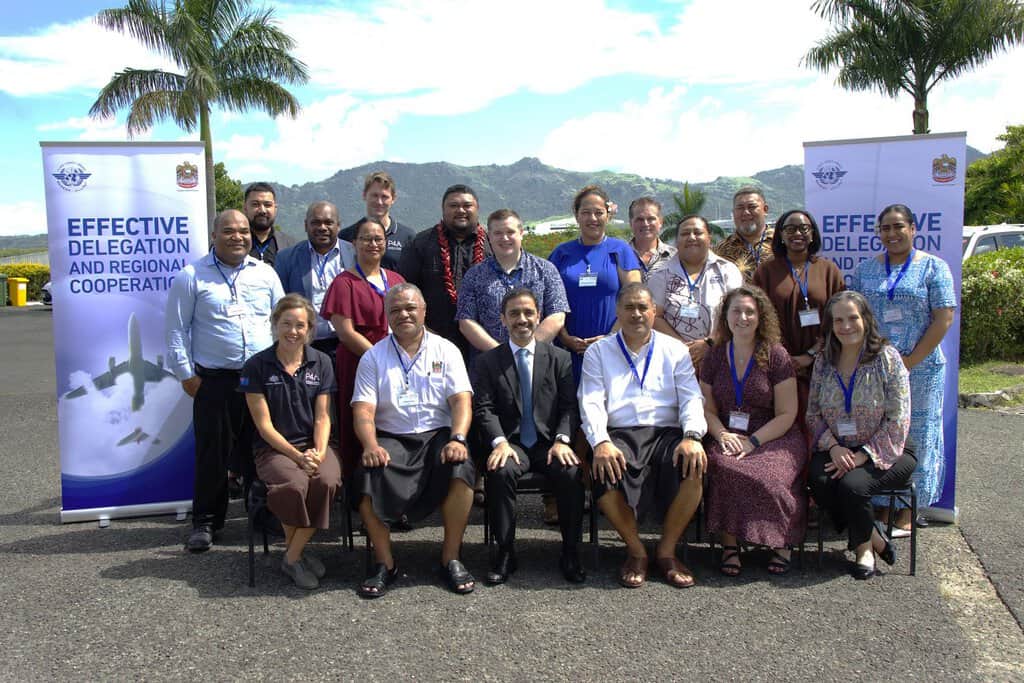
The workshop was successfully delivered in two regions, reflecting both its relevance and strong demand:
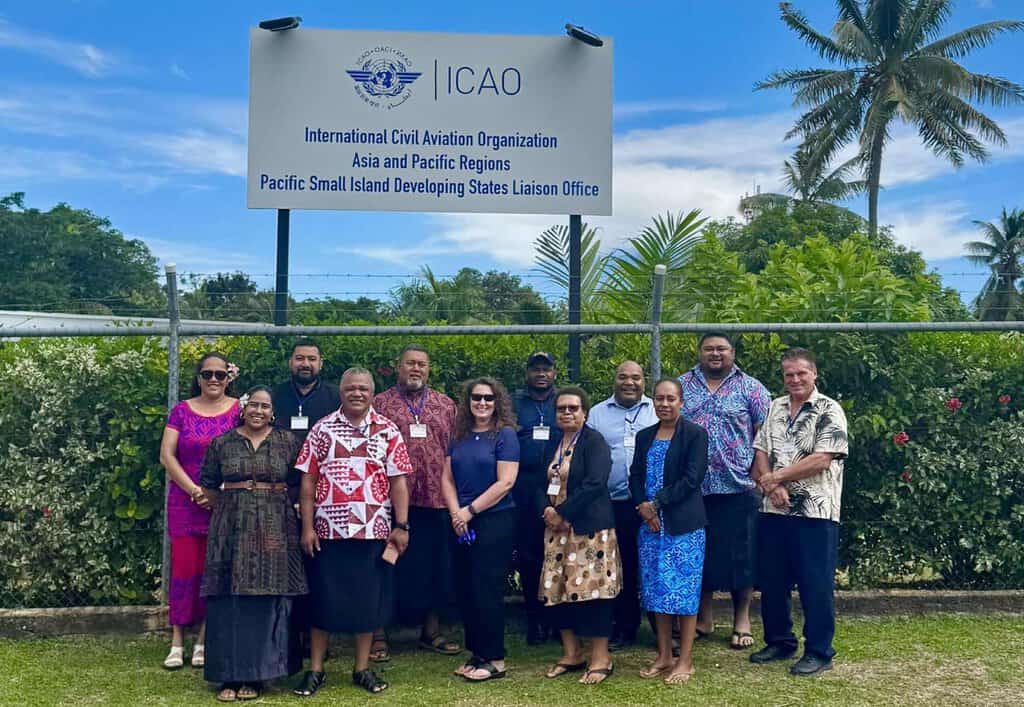
- Asia and Pacific Region: the first delivery in December 2025 was held for the Pacific Small Island Developing States (PSIDS) graciously hosted by Fiji, where the workshop helped address unique capacity challenges faced by geographically dispersed States
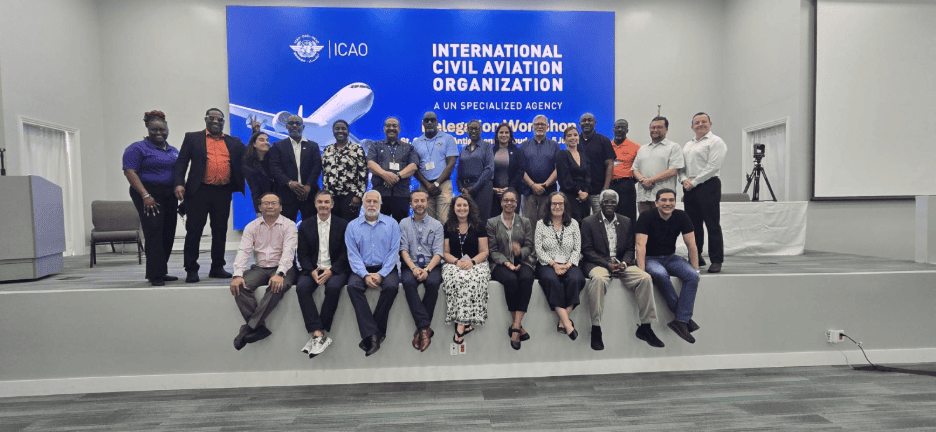
- North American, Central American and Caribbean Region (NACC): the second delivery, graciously hosted by Antigua and Barbuda in June 2026, building on lessons learned and expanding engagement with a broader group of States and regional partners
Across both regions, the response has been overwhelmingly positive. States, Regional Safety Oversight Organizations (RSOOs), and Regional Accident and Incident Investigation Organizations (RAIOs) have demonstrated strong interest in practical guidance on how to implement delegation effectively, moving beyond theory to real-world application.
This growing momentum has reinforced a clear objective: to expand the workshop to every ICAO region, supporting a global shift toward more collaborative and sustainable approaches to safety oversight.
ICAO has developed important legal and guidance material to support delegation and regional cooperation—particularly in safety oversight and accident investigation—but consistent and effective implementation by States continues to be a challenge. Questions often arise around:
- What functions can be delegated?
- How to formalize delegation through legal frameworks and agreements?
- How to maintain effective oversight, monitoring, and accountability?
The workshop directly addresses these challenges by providing a hands-on, interactive platform where participants can explore real scenarios, share experiences, and develop a common understanding of how delegation works in practice. A central message resonates throughout: delegation enhances capability—but does not transfer responsibility. This distinction is critical in ensuring that States remain fully accountable while benefiting from regional cooperation.
Tangible benefits for States and regional organizations
The workshop has highlighted clear and tangible benefits for all stakeholders.
- For States: Delegation provides access to specialized expertise and technical capacity that may not be available domestically, enabling more effective compliance with ICAO Standards and Recommended Practices (SARPs) and stronger overall safety oversight and accident investigation systems.
- For RSOOs and RAIOs: The workshop strengthens their role as trusted technical partners, clarifying how they can support States through well-defined, legally grounded delegation arrangements, while promoting harmonization and efficiency across regions.
- For Regions: By encouraging collaboration and structured partnerships, delegation helps build more consistent, efficient, and resilient safety oversight frameworks, supported by shared resources and mutual trust.
Turning dialogue into action
One of the most important achievements of these workshops has been the shift from discussion to implementation. Participants have aligned on the need for:
- Clear legal and institutional frameworks
- Well-defined roles and responsibilities
- Effective monitoring and oversight mechanisms
- Strong governance built on transparency, accountability and sustainability.
Just as importantly, there is a shared commitment to continue the conversation beyond the workshop, translating these principles into concrete actions and sustainable delegation arrangements.
The success and expansion of this initiative has been strongly supported by the United Arab Emirates, through the leadership of the General Civil Aviation Authority (GCAA UAE). The UAE has become a leading advocate for delegation as a means of strengthening global aviation safety and accident investigation. Its commitment to sponsoring and promoting these workshops reflects a forward-looking vision: that collaboration, capacity-building, and regional partnerships are essential to the future of aviation.
The Director General of the GCAA UAE, H.E. Saif Mohammed Al Suwaidi, highlighted this, “The success of the ICAO Delegation Workshop demonstrates that meaningful progress is achieved when States work together, share expertise and invest in sustainable-capacity building. The United Arab Emirates remains committed to supporting initiatives that transform cooperation into practical outcomes, strengthen institutional capabilities, and help build a more resilient, efficient, and connected global aviation system.”
By supporting the rollout of these workshops across regions, the UAE is helping to build a shared global understanding of delegation, empowering States and regional organizations alike.
Looking Ahead
With two successful workshops completed and growing interest from States worldwide, the path forward is clear. Expanding this initiative across all ICAO regions will help ensure that delegation is not only understood but effectively implemented. In doing so, the aviation community moves closer to a future where safety oversight and accident investigation capabilities are not limited by national capacity, but strengthened through collective effort—delivering safer, more resilient skies for all.
About the Author