When ICAO Aviation Climate Week opened, the focus went right away to this: how can aviation deliver on its ambition to reach net-zero emissions by 2050, and what has to change to get there? Cross-sector collaboration was emphasized as one of the critical drivers for accelerating implementation of climate mitigation and resilience efforts, particularly when it comes to contributing to the UN Sustainable Development Goals (SDGs).
As evidence of the momentum, speakers pointed to the growth in Sustainable Aviation Fuels (SAF) production, underpinned by the globally harmonized framework under ICAO. Others referenced the development of new data-sharing platforms, scenario analysis, and multi-partner research initiatives as evidence that the sector is capable of coordinated action.
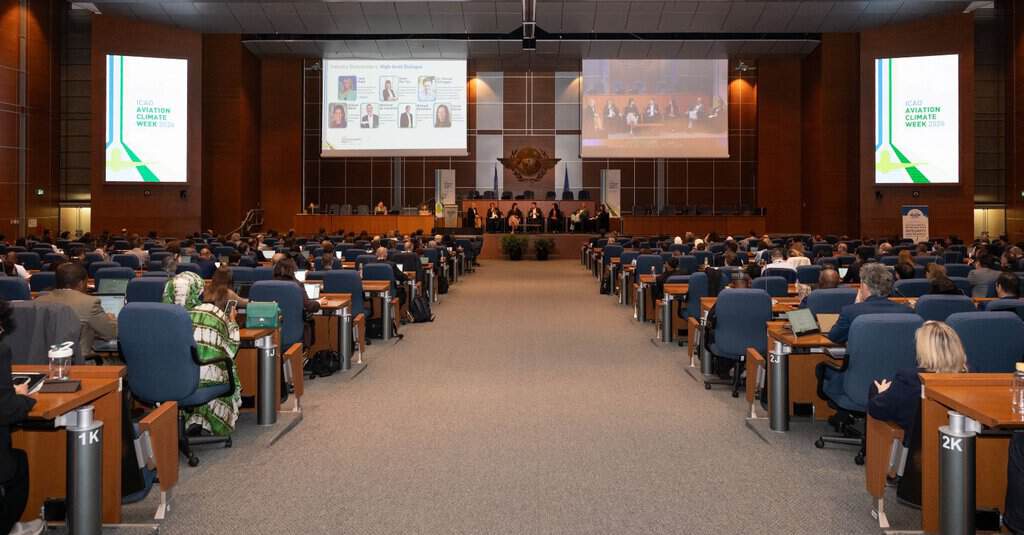
The significant influence of non-CO₂ emissions was also recognized, with participants noting that they could account for as much as half of aviation’s net warming effect. New operational trials showing that rerouting flights to avoid regions of persistent contrail formation can sharply cut warming were highlighted as the kind of practical, data-informed step aviation needs.
Technological innovation and operational change is needed. Operational improvements were also recognized as a practical and immediate pathway, including through air traffic management modernization, real-time trajectory planning, and upgraded ground handling protocols.
The conversations don't end when the event concludes. Whether you were unable to attend or would like to revisit a particular discussion, recordings of the ICAO Aviation Climate Week sessions are available on ICAO TV. Access the links below!
Many acknowledged the promise of new aircraft technologies, like hydrogen propulsion, and were quick to point out that an aggressive rollout of advanced designs would be needed to deliver the reductions required to reach net-zero carbon emissions.
Panelists observed that regulatory and certification processes need to be in sync with the pace of technological and operational change, including the evolution of new standards. ICAO was recognized for its ongoing leadership role in convening stakeholders and harmonizing standards, with several participants calling for further strengthening of international frameworks to minimize fragmentation and support coordinated action.
Climate action also means climate adaptation
Discussions made it clear that there are a number of barriers standing in the way of a more robust aviation adaptation response. Recent extreme weather events have already surpassed earlier projections, directly affecting airport operations and business continuity in ways that were once considered unlikely so soon. Even facilities built to high engineering standards now face new levels of stress from climate hazards.
Survey results presented to the session revealed important findings: while the majority acknowledged the growing threat from changing weather patterns, more frequent storms, and disruptions to aviation infrastructure, only a small proportion of aviation stakeholders are moving from risk assessment to actual adaptation strategies.
Access to financing, particularly in developing regions, was identified as a top concern. Many airports must cope with limited resources and rising costs just as the challenges grow more complex. In addition, a lack of integration between national and local planning efforts, as well as limited stakeholder involvement, undermines the effectiveness of adaptation strategies.
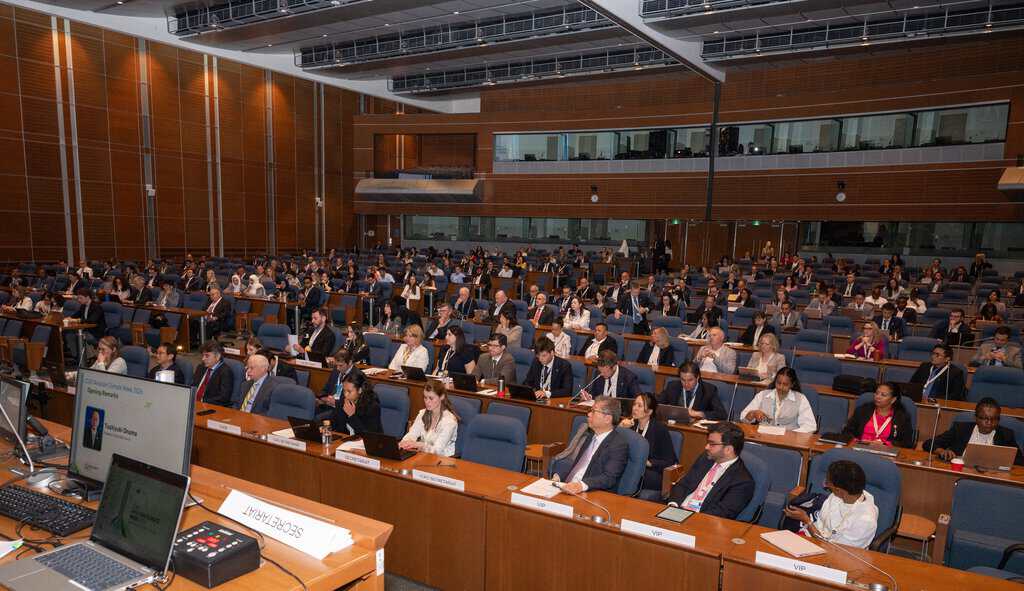
Many participants noted an ongoing shortage of location-specific climate data and modeling, which leaves some airports ill-equipped to conduct meaningful risk assessments. Within the sector, only a few locations have managed a cycle of regular review and improvement, keeping adaptation efforts current with the evolving climate science.
High levels of awareness and increasing risk exposure are creating momentum for investment and innovation. There is growing interest in developing tailored solutions, with lessons emerging from a variety of adaptation efforts. Collaborative partnerships, especially with weather and research organizations, are helping to close the data gap and support scenario planning.
The session also highlighted the value of integrating adaptation measures into broader development and investment frameworks. By treating climate resilience as part of a long-term business strategy, airports can safeguard operations, enhance safety, and protect economic value.
We are happy to share the recordings of the Aviation Climate Week 2026 discussions on ICAO TV. These sessions provide valuable insights into the policies, technologies, partnerships, and financing mechanisms helping to advance global aviation’s environmental objectives. To find the sessions that most interest you, open the event programme shared below.