
The global aviation system is undergoing significant transformation. Technological innovation, increasing system complexity and evolving operational models are accelerating the pace of change. In this environment, maintaining safety requires more than established procedures. It also depends on the ability to anticipate, understand and manage risks as aviation systems evolve.
Safety in a system defined by change
Changes to technologies, operations and organizational structures can introduce new hazards, alter existing safety controls and create unexpected interactions across the aviation system. Managing these risks effectively is an important part of maintaining safety performance.
 Amendment 2 to ICAO Annex 19 — Safety Management, applicable from 26 November 2026, reinforces the importance of effective safety management at both State and organizational levels. Its provisions strengthen State Safety Programme (SSP) and Safety Management System (SMS) provisions, with an increased emphasis on safety performance and safety intelligence.
Within this broader framework, Management of Change (MoC) has an important role in helping States and aviation organizations identify and manage safety risks associated with change.
Why managing change matters
Change is an inevitable part of aviation. It may involve the introduction of new technologies, modifications to operational procedures, organizational restructuring, changes in regulations or the outsourcing of services.
While individual changes may appear manageable, their combined effects can introduce risks that are not immediately apparent. Existing safety controls may need to be reassessed, and new interfaces between systems, people and organizations may require additional attention.
This is where a structured approach to Management of Change becomes particularly valuable.
Management of change: beyond project delivery
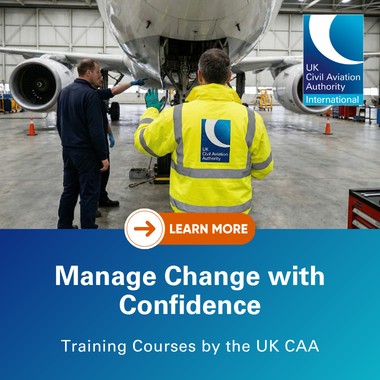
Within an organizational SMS, Management of Change provides a structured approach to assessing the safety implications of proposed changes. This involves identifying the change, considering its potential impact, identifying hazards, assessing associated risks and determining appropriate mitigation measures. Monitoring following implementation helps organisations evaluate whether the measures remain effective and whether additional action is needed.
An important distinction exists between implementing a change and managing its safety implications. Project management focuses on delivering a change, while safety-related MoC considers how that change may affect existing operations, controls and safety performance.
Both functions are important, and effective coordination between them helps ensure that safety considerations are incorporated throughout the change process.
![]() Extending management of change at the State level

Management of Change is equally relevant to decisions made at the State level. Regulatory reform, changes to oversight arrangements, new policies and the introduction of emerging technologies can all influence how the wider aviation system functions.
 Recognizing this, Amendment 2 to Annex 19 introduces a Recommended Practice addressing Management of Change within the State Safety Programme. This reflects the importance of considering how State-level changes may affect safety performance, oversight activities and interactions with aviation organizations.
States and aviation organizations have distinct but interconnected safety responsibilities. Changes introduced by either can have wider system implications, making coordination, information sharing and effective use of safety intelligence important components of informed decision-making. The collection and analysis of safety data can help identify emerging risks, evaluate the effectiveness of change initiatives and support appropriate risk controls throughout implementation.
Strengthening the relationship between SSP and SMS
The relationship between the State Safety Programme (SSP) and organizational Safety Management Systems (SMS) is an important element of effective safety management. While States and aviation organizations have distinct responsibilities, both rely on safety information to identify emerging risks, understand safety performance and support informed decision-making. Effective use of safety information helps strengthen the connection between SSP and SMS activities across the aviation system.
The increased emphasis on safety intelligence under Annex 19 Amendment 2 further reinforces the value of sharing and analysing safety information across the aviation system, helping both States and organizations better understand the impact of change and respond appropriately.
![]() Building capability for effective management of change

Processes and procedures provide the framework for Management of Change, but their effectiveness also depends on the people responsible for applying them.
F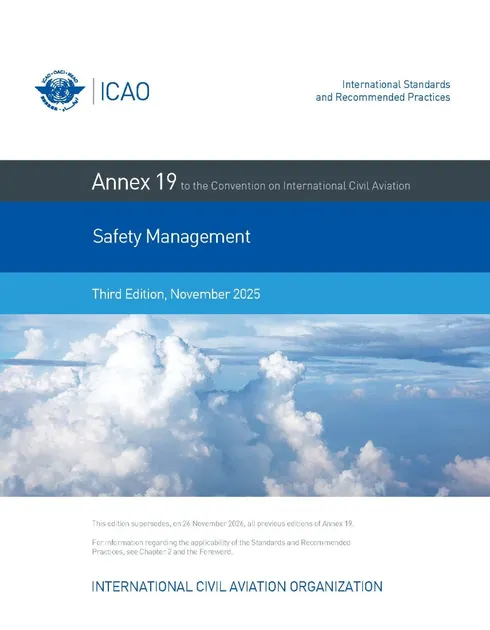 or States, this means understanding how change may affect regulatory functions, oversight activities and the wider aviation system.
For aviation organizations, it involves identifying changes with potential safety implications, assessing associated risks and ensuring safety considerations are integrated into operational decision-making.
Professional training, practical application and organizational experience can help develop these capabilities and support more consistent approaches to managing safety-related change.
As the aviation system continues to evolve, the challenge is not simply to implement change, but to understand and manage its safety implications throughout the transition.
Developing Management of Change Capabilities with CAA International
CAA International (CAAi) provides aviation training and advisory services for regulatory authorities and industry organizations.
Its training portfolio includes two dedicated Management of Change courses:
- Management of Change (State) — aimed at aviation regulators and State authorities, focusing on the management of change within the State aviation safety oversight system.
- Management of Change (Industry) — aimed at aviation service providers, focusing on the management of organizational, operational and physical changes within an SMS.
Further information about these courses is available through CAAi’s website.
This sponsored content was provided by CAA International. The views expressed are those of the author and do not necessarily reflect those of ICAO. Reference to training courses or services does not constitute ICAO approval or endorsement.
About the Author
John Thomson is a Senior Technical Advisor for Safety Management at UK Civil Aviation Authority International (CAAi), with more than 30 years’ experience across civil and military aviation. A recognised expert in safety management, safety intelligence and safety performance, he has played a leading role in shaping national and international aviation safety policy and practice.
CAA International (CAAi) is the technical advisory arm of the International Group (IG) within the UK Civil Aviation Authority (UK CAA). The IG exists to raise standards of aviation across the globe, to protect those who choose to fly and those who do not. CAAi’s primary focus is providing advisory, training, examination and licencing services to agencies, fellow National Aviation Authorities and industry. CAAi is committed to supporting ICAO and the European Aviation Safety Agency (EASA) on international cooperation initiatives to help shaping tomorrow’s international aviation legislation, improving regulatory capacity and efficiency, and sustaining society’s confidence in aviation.
