
Establishing international aviation standards is only part of ICAO’s work. Equally important is ensuring that States have the expertise, institutional capacity, technical resources and access to financing needed to translate global aviation priorities into action. Through our capacity development and implementation activities, ICAO supports States in implementing Standards and Recommended Practices (SARPs), addressing gaps in aviation capabilities, strengthening regulatory frameworks, developing human capital and advancing aviation infrastructure. By tailoring assistance to the needs and priorities of States, ICAO is helping to build a safer, more secure, sustainable and interconnected global aviation system.
Central to these efforts our Strategic Goal, No Country Left Behind, which seeks to ensure that all States can benefit from the socio-economic opportunities that aviation provides. Achieving this requires sustained investment, effective partnerships and the mobilization of resources to support implementation at the national, regional and global levels. The importance of these partnerships was demonstrated during ICAO’s Seventh Worldwide Air Transport Conference (ATConf/7), where two ceremonies, held on November 17th and November 19th 2026, brought together Member States and development partners to mark new agreements, renewed commitments and milestones in cooperation.
The agreements and commitments covered a range of aviation areas, including safety management, air navigation, professional training, regulatory development and resource mobilization, reflecting the diverse needs and priorities of ICAO Member States.
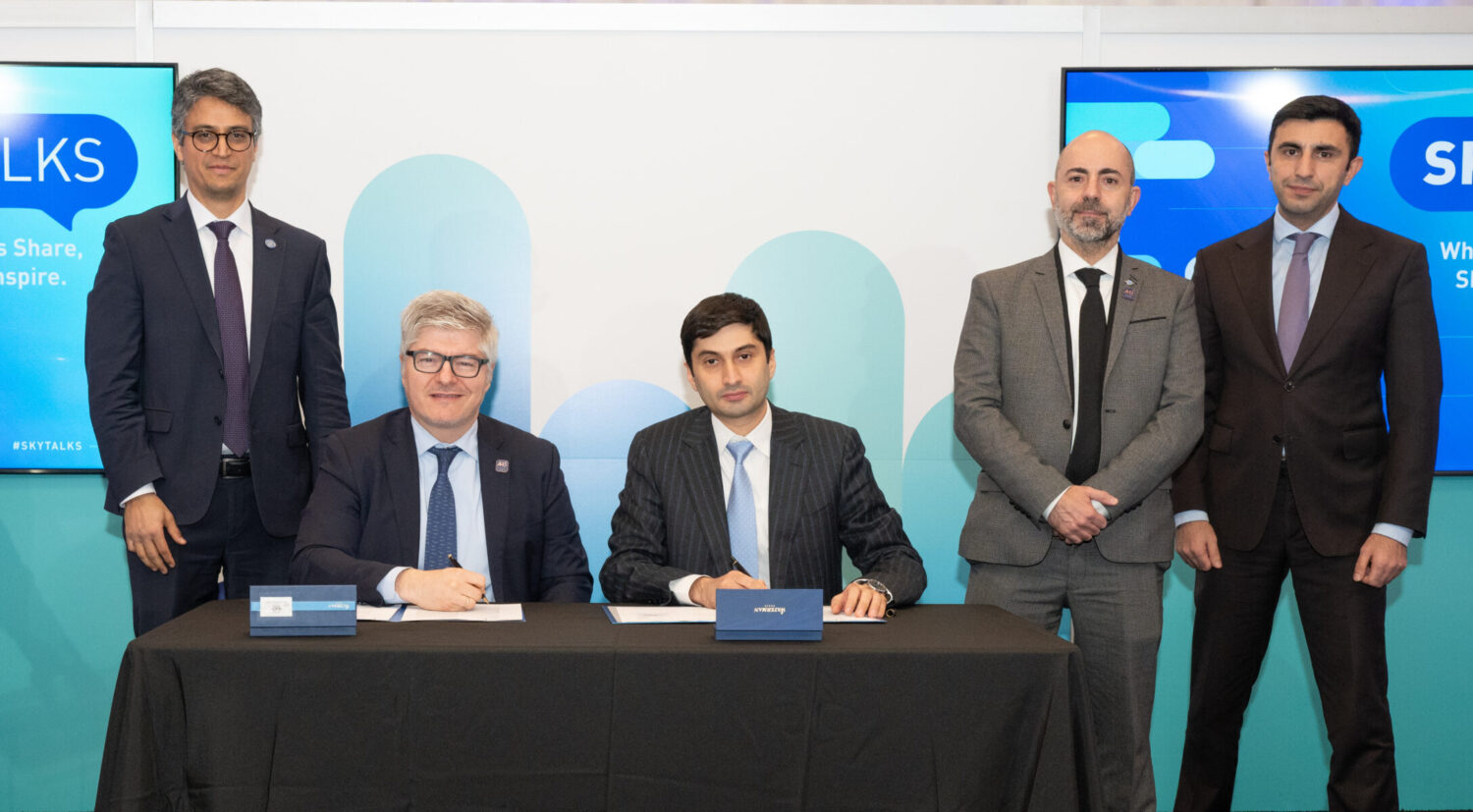
Azerbaijan – Strengthening safety management through training
Effective aviation safety management depends on more than procedures. It also requires professionals with the knowledge and skills to put them into practice. During the first day of signing ceremonies, ICAO and the State Civil Aviation Agency of Azerbaijan marked a new Training Service Agreement project focused on safety management. The agreement builds on Azerbaijan’s existing cooperation with ICAO in aviation training, with a new project dedicated specifically to developing safety management competencies.
![]() France – Supporting flight procedures in Asia and the Pacific
International cooperation in aviation extends beyond regional borders, providing opportunities for States to share technical expertise in support of common aviation priorities. ICAO and France’s Direction Générale de l’Aviation civile signed a Project Document in support of the Asia and Pacific Flight Procedure Programme. The agreement highlights the value of international cooperation in sharing technical expertise and supporting the development of flight procedures that contribute to safer and more efficient air navigation across the Asia-Pacific region.
![]() Malaysia – Advancing regional air navigation cooperation
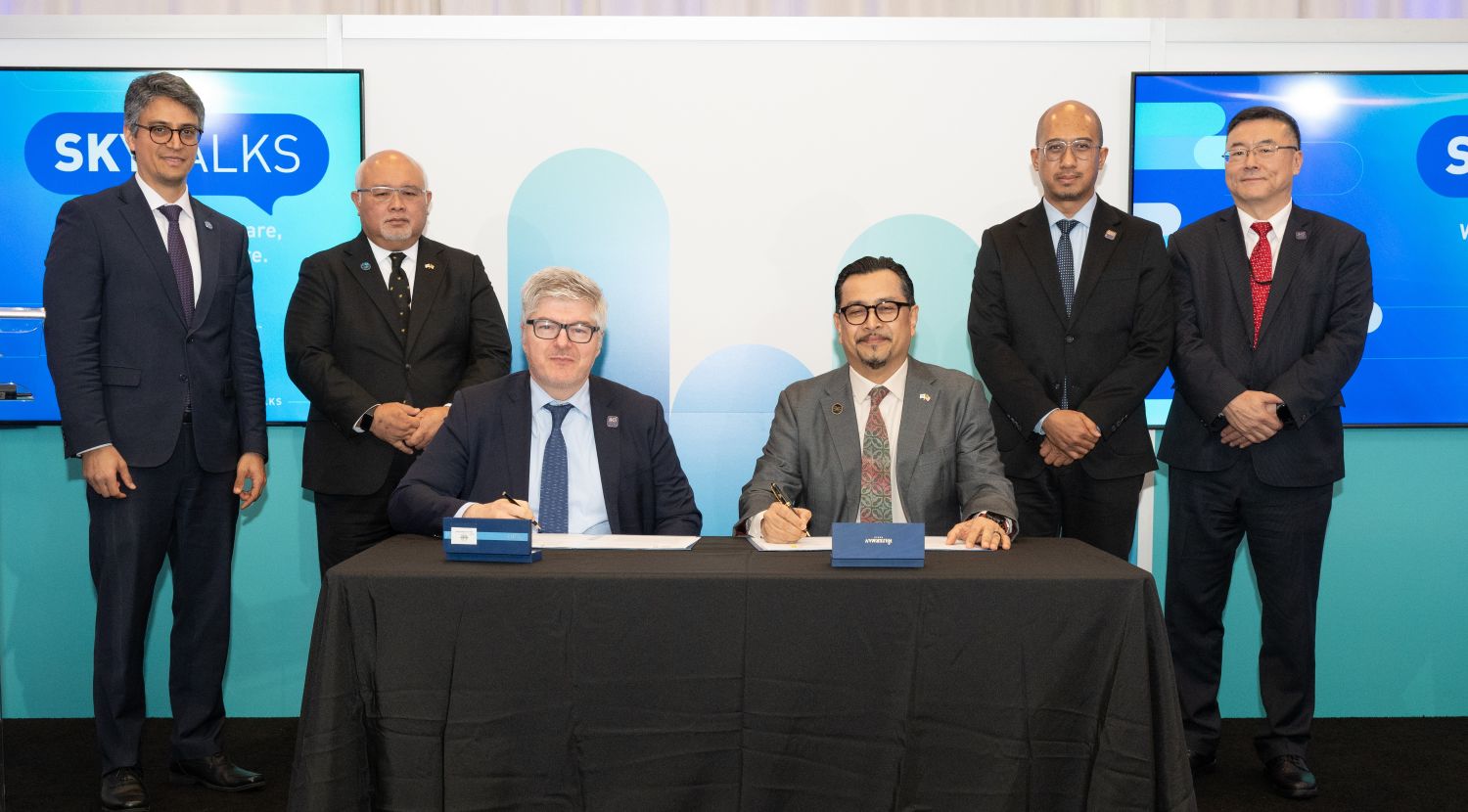
Flight procedures are an essential part of how aircraft navigate safely and efficiently. Cooperation in this technical area was also the focus of an agreement between ICAO and Malaysia. The Civil Aviation Authority of Malaysia and ICAO signed a Project Document under the Asia and Pacific Flight Procedure Programme, further highlighting the role of regional cooperation in supporting safe and efficient air navigation.
![]() Uruguay – Establishing a framework for future aviation development

Establishing a framework for cooperation can help States and their partners advance future aviation development projects. ICAO and Uruguay’s Ministry of Transport and Public Works signed a new Management Services Agreement. Rather than covering a single project, the agreement establishes an overarching framework for future capacity development and implementation activities. It provides a basis for ICAO and Uruguay to further develop cooperation as specific aviation priorities and projects are identified.

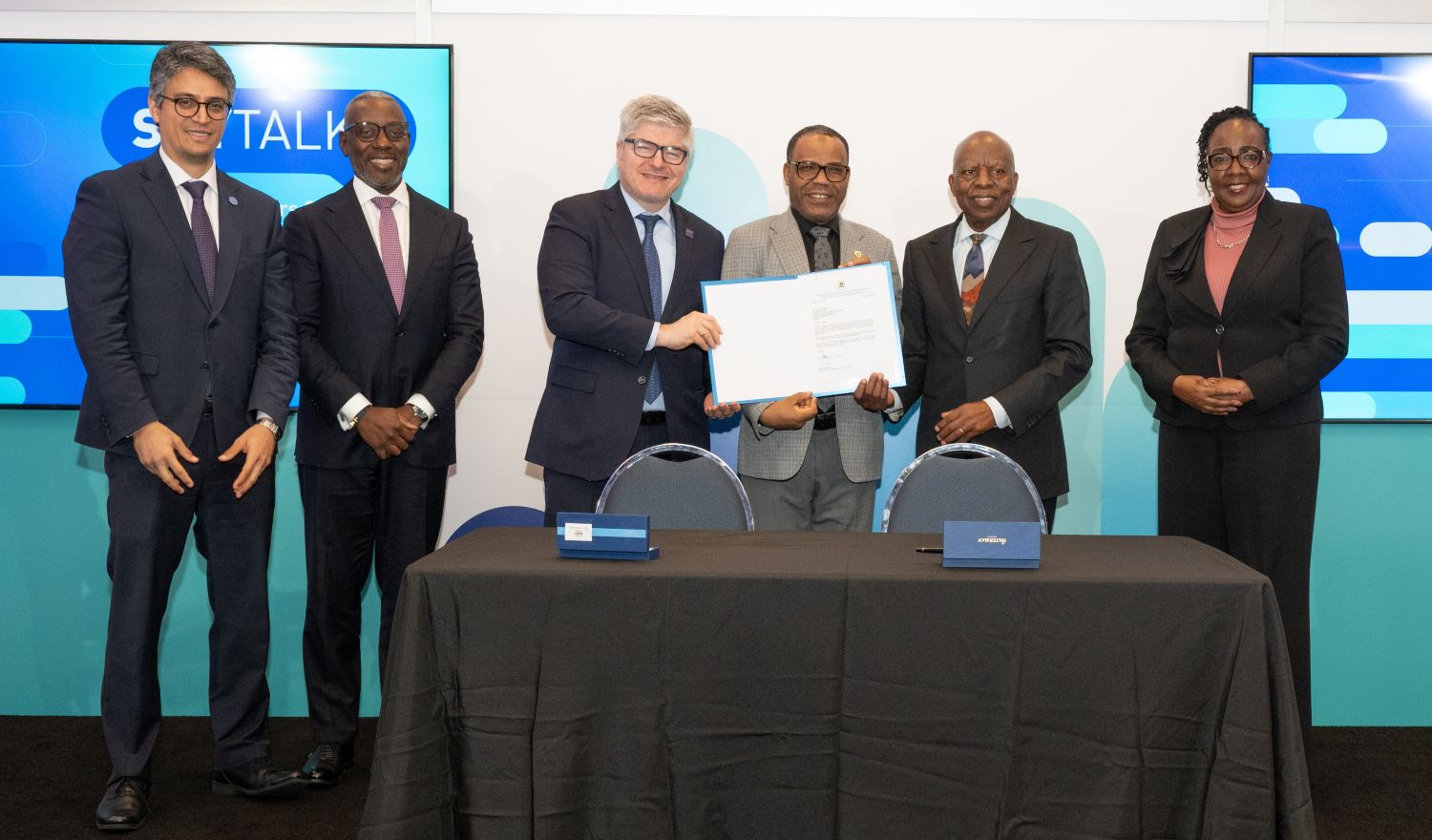
France, Kenya, Nigeria and Uganda – Mobilizing resources for aviation development
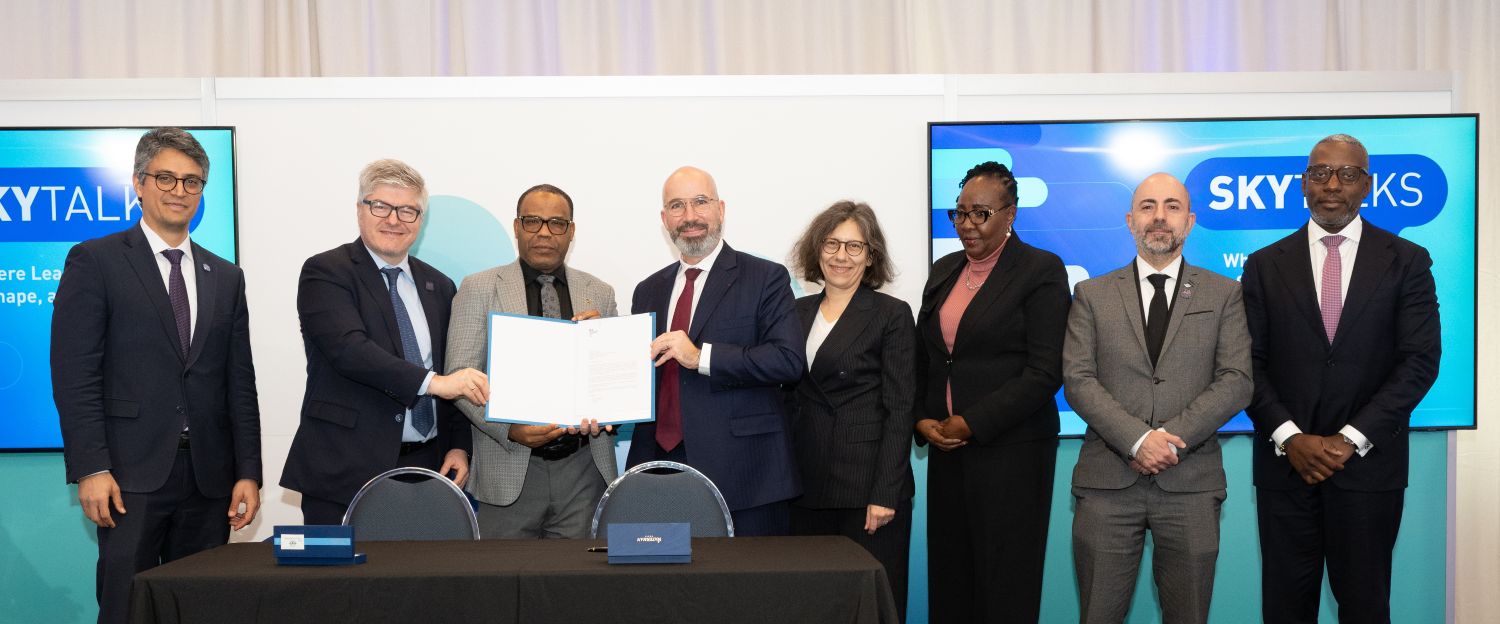
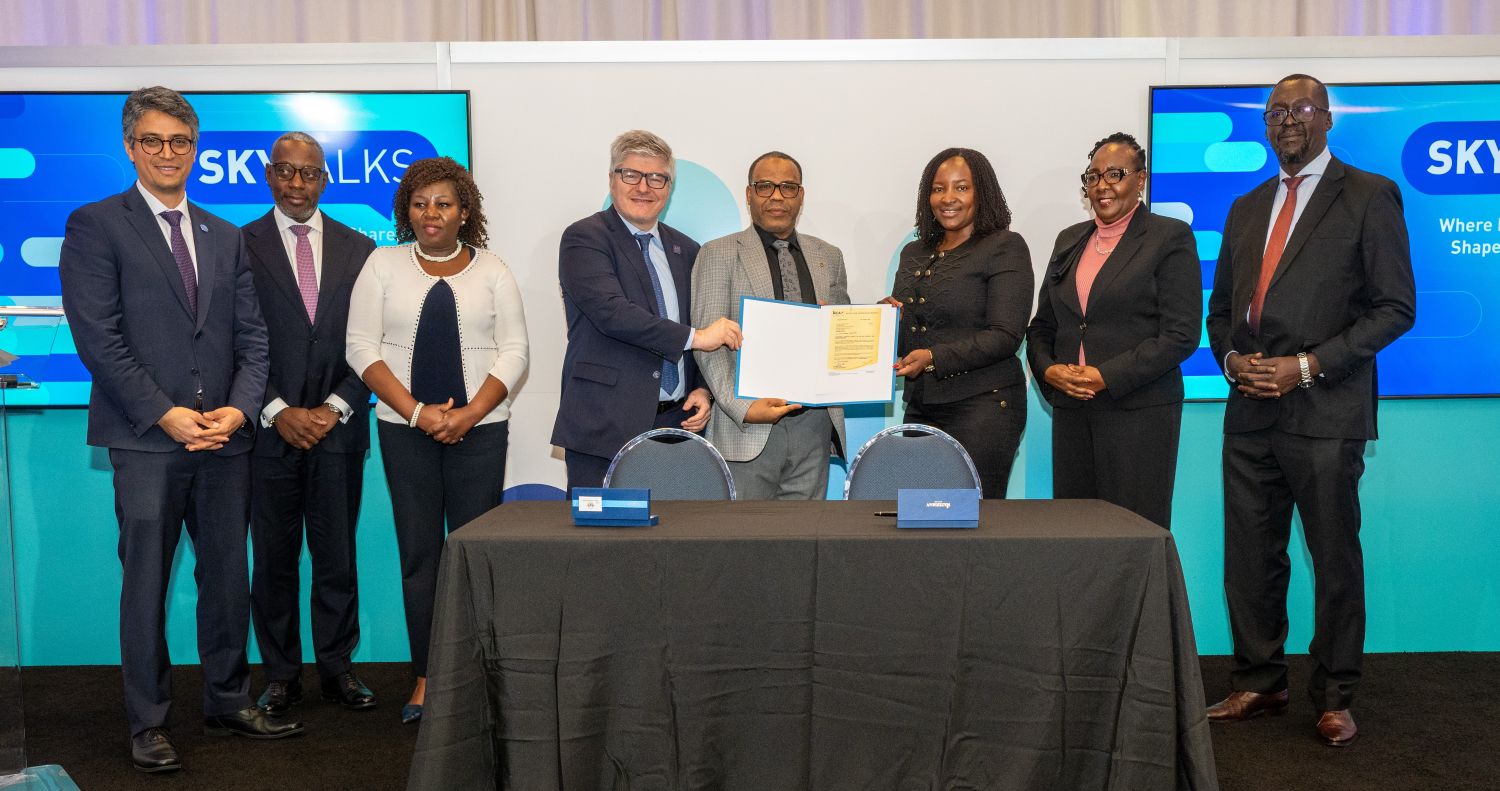
The four countries above stepped forward with voluntary financial commitments to support aviation safety, security and capacity development across Africa and the Indian Ocean. France, Kenya, Nigeria and Uganda (pictured in this order above) presented letters pledging voluntary financial contributions in support of ICAO’s AFI Plans. These pledges highlight the role of resource mobilization in advancing regional aviation priorities. They also demonstrate how contributions from States can support collective efforts under our No Country Left Behind initiative.
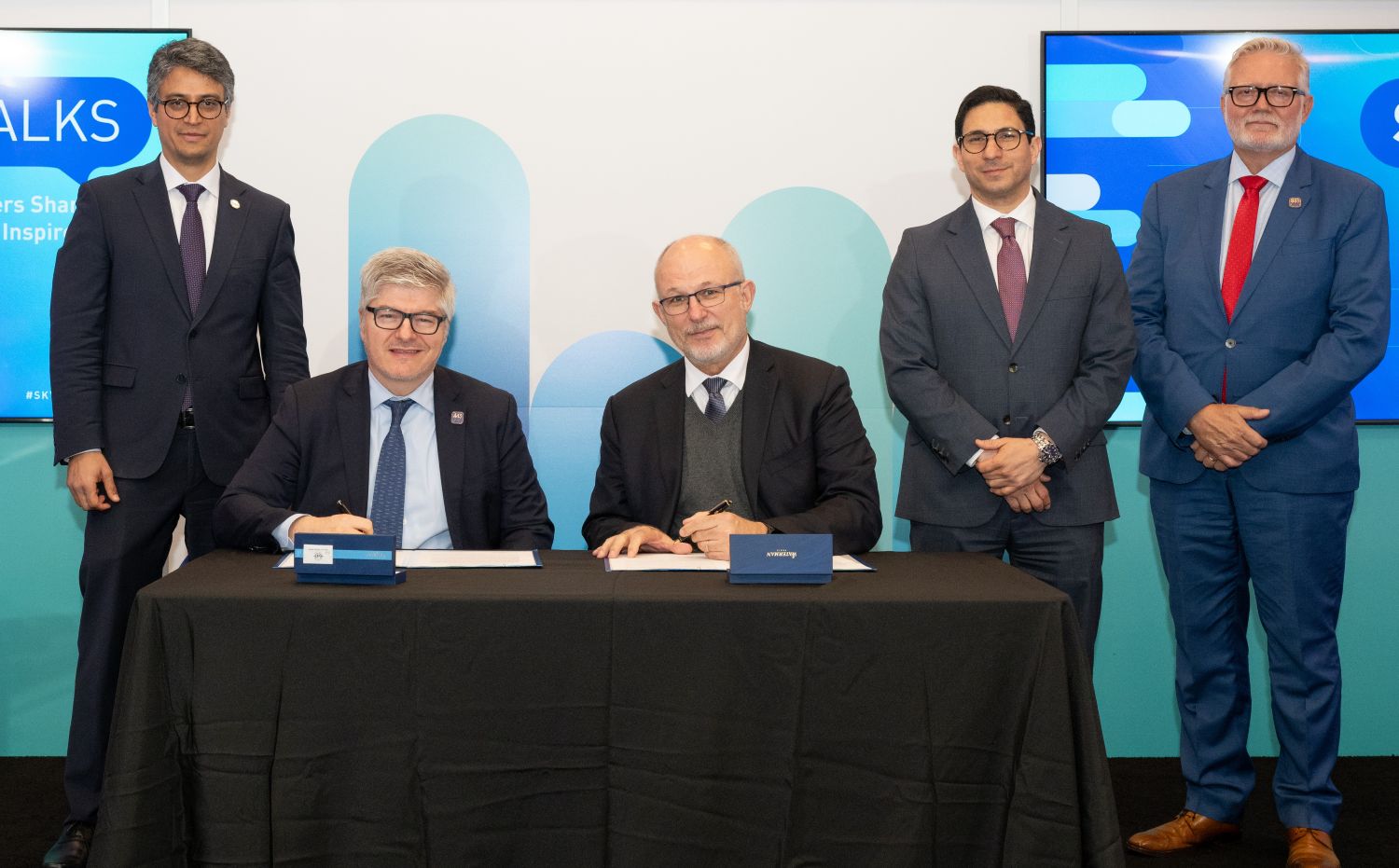
CAF – Connecting aviation development priorities with financing opportunities
Turning aviation development priorities into viable projects requires more than identifying what needs to be done. Project preparation and access to financing are also critical. ICAO and CAF – Development Bank of Latin America and the Caribbean marked the signing of a new Memorandum of Understanding aimed at strengthening civil aviation across the region. The agreement establishes a framework for technical cooperation, project preparation and the mobilization of financing in support of regional aviation priorities. By bringing together ICAO’s aviation expertise and CAF’s development financing role, the framework creates opportunities to connect aviation priorities with the technical preparation and potential financing needed to advance them.

Burkina Faso – Expanding ICAO’s global aviation training network
The second day of ceremonies began with the recognition of a new member of ICAO’s global aviation training network. ICAO welcomed Burkina Faso’s Institut de Formation Aéronautique (IFA) as a new member of the TRAINAIR PLUS Programme, marking the occasion with the presentation of a membership plaque. The membership connects IFA with an international network dedicated to aviation training, creating opportunities for knowledge-sharing, collaboration and the development of training capabilities.
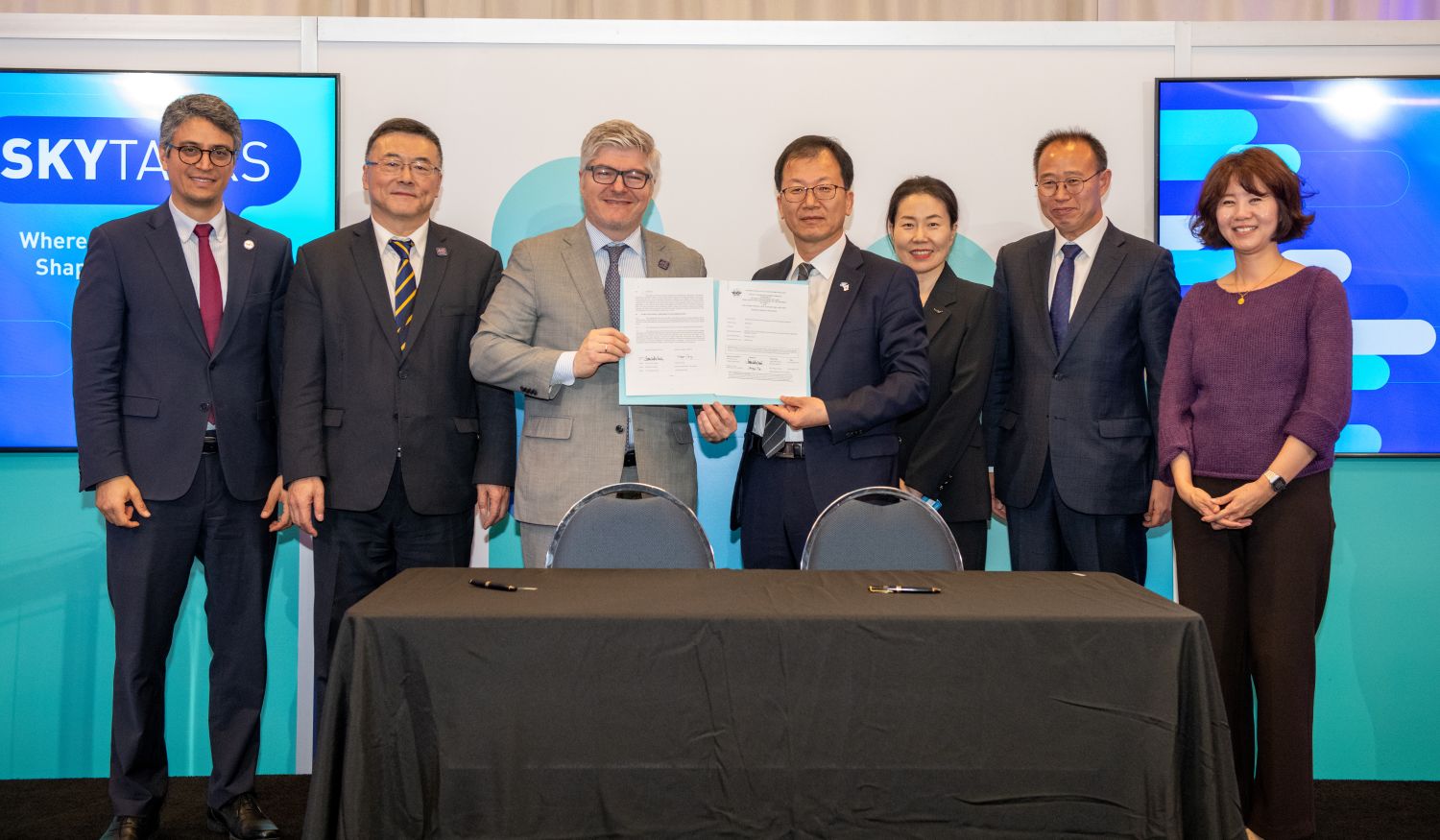
Republic of Korea – Expanding access to aviation training
Access to specialized aviation training can be a challenge for developing countries. Through its continued partnership with ICAO, the Republic of Korea is helping expand those opportunities. ICAO and the Republic of Korea’s Ministry of Land, Infrastructure and Transport signed a Management Services Agreement and its Annex 1, renewing support for ICAO’s Developing Countries Training Programme. The programme provides fellowships and training opportunities for aviation professionals, helping developing countries build the expertise needed to support their civil aviation sectors.
The renewed agreement reflects the Republic of Korea’s continued commitment to international aviation capacity development through education and professional training.
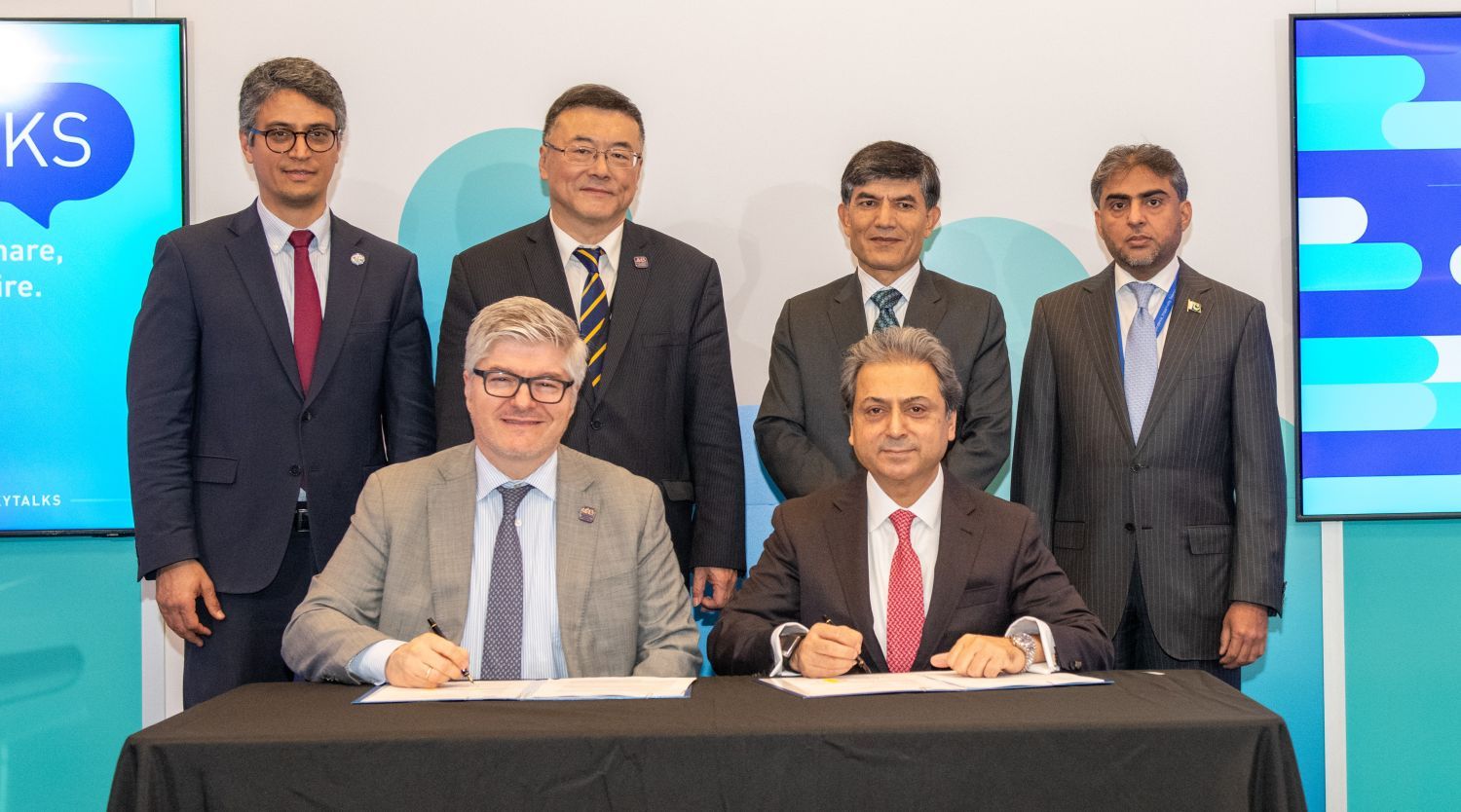
Pakistan – Developing national civil aviation rules
Civil aviation rules provide the regulatory foundation for how aviation activities are governed and overseen. ICAO and the Pakistan Civil Aviation Authority signed a Project Document supporting the development of national civil aviation rules. The project is an example of our implementation support work at the national level, helping States develop the regulatory foundations needed for safe and sustainable aviation.
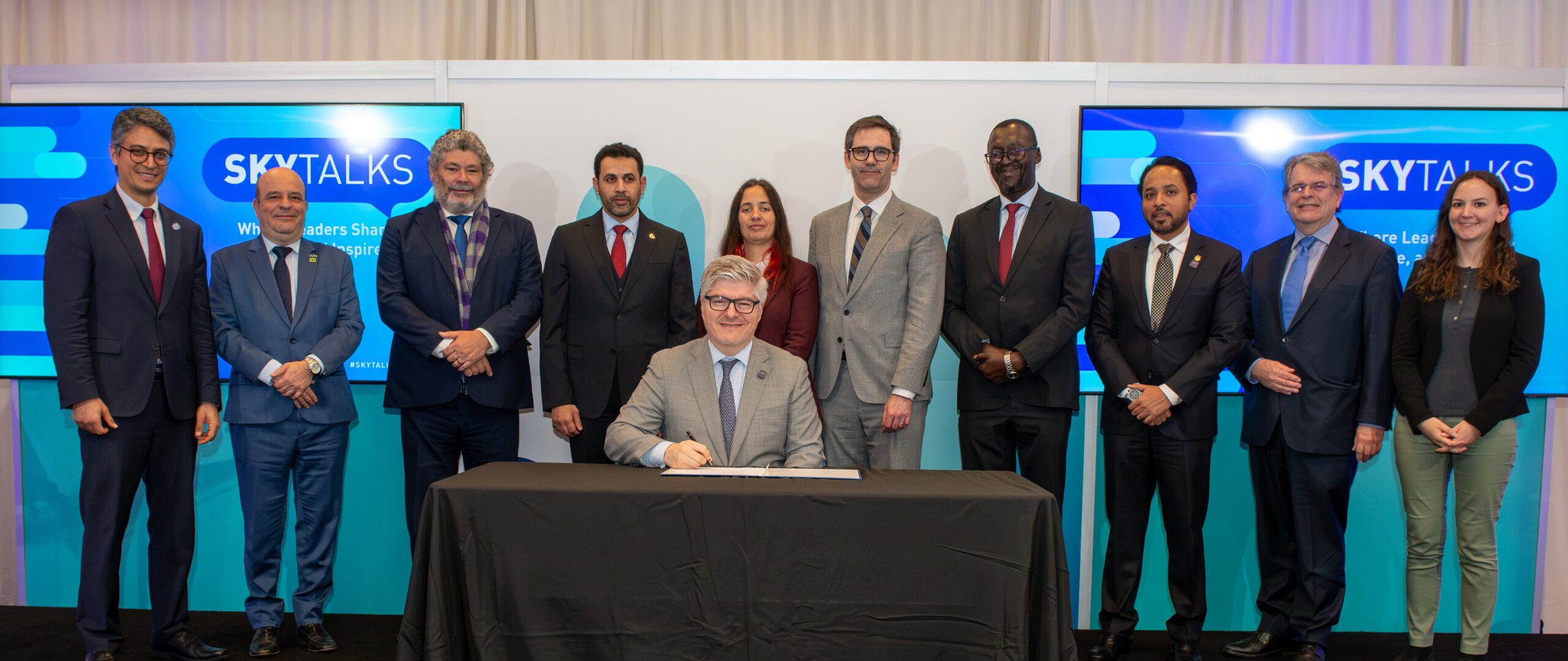
Measuring aviation’s economic contribution
How can countries better measure aviation’s contribution to their economies?
The ICAO Aviation Satellite Account (ASA) Measurement Framework is intended to help address that question by supporting a more structured approach to measuring aviation’s economic contribution. Concluding the two days of ceremonies, ICAO Secretary General Juan Carlos Salazar signed the foreword to the ICAO Aviation Satellite Account Methodological Report, marking the soft launch of the ASA Measurement Framework to Member States. The framework seeks to support the measurement of aviation’s economic contribution, helping to build a clearer understanding of the sector’s role in national economies.
Translating aviation priorities into action
Together, the agreements, commitments and initiatives highlighted during ATConf/7 illustrate the different ways ICAO works with Member States and development partners to support aviation development. From establishing frameworks for future projects to developing professional competencies and mobilizing financial resources, these activities reflect the importance of international cooperation in addressing the aviation development needs of States.
Through our capacity development and implementation activities, we will continue to work with States and partners in support of our No Country Left Behind initiative. To learn more about the discussions that took place during ATConf/7, visit the conference website.
