As preparations advance for the 2026 ICAO Global Implementation Support Symposium (GISS), the global aviation community is looking toward Marrakech, Morocco, where States, industry leaders, financial institutions, and technical experts will gather from 14–16 April 2026 to strengthen aviation systems and cooperation worldwide.
During this annual GISS event we bring together aviation authorities, technical experts and industry stakeholders to exchange practical solutions, promote cooperation, and accelerate the effective implementation of ICAO Standards and Recommended Practices across regions. GISS provides a global platform for sharing solutions, forging partnerships, and advancing sustainable aviation through strengthened implementation efforts aligned with ICAO’s No Country Left Behind initiative.
ICAO is deeply appreciative of the Kingdom of Morocco for hosting the fifth edition of this high-level symposium. As the first African State to host GISS, Morocco’s leadership reflects both its strong commitment to global civil aviation and its growing role as a regional and international aviation hub. Events like GISS depend on the commitment of Member States willing to host the global aviation community and provide a platform for meaningful dialogue, cooperation, and progress toward shared aviation goals.
To better understand what GISS 2026 represents for the Kingdom — and what participants can expect from this landmark edition — we had the opportunity to gain insight from His Excellency, the Minister of Transport and Logistics, Mr. Abdessamad Kayouh, about their priorities, and vision for the event.
UA: Why was it important for Morocco to host the Global Implementation Support Symposium in 2026, and what does this event represent for the Kingdom?
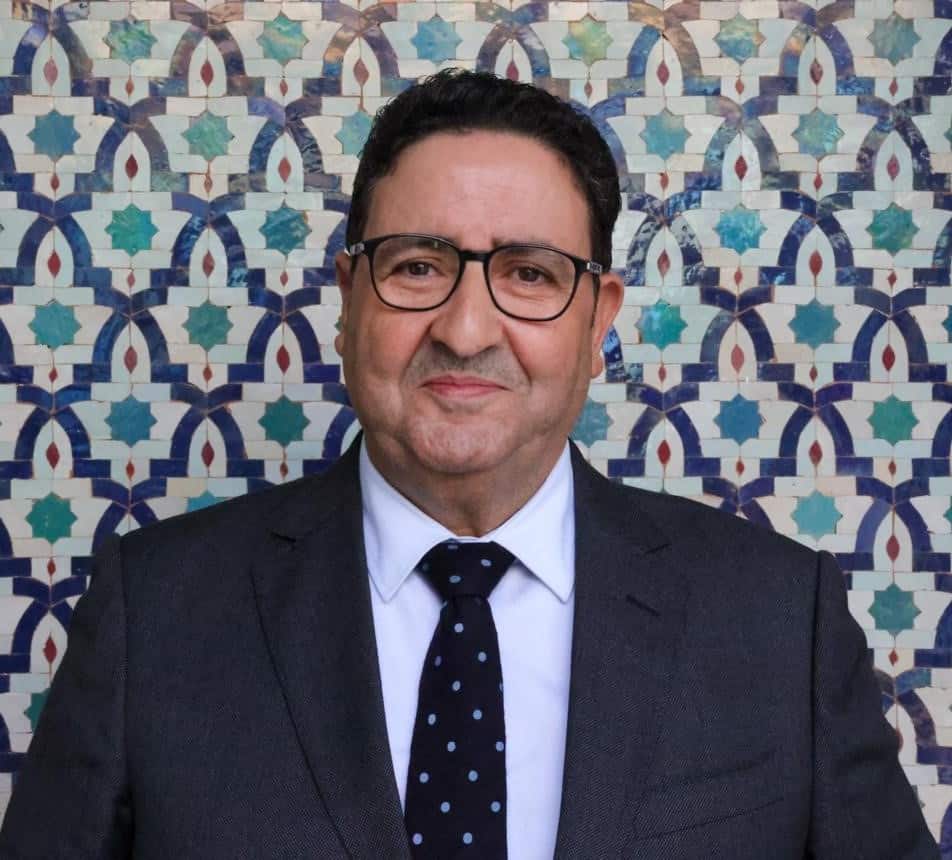
HE: The Global Implementation Support Symposium is one of the most important events in global civil aviation, second only to the ICAO General Assemblies. It is the annual meeting of decision-makers and experts in the civil aviation sector, where they discuss the tools and approaches for implementing ICAO standards.
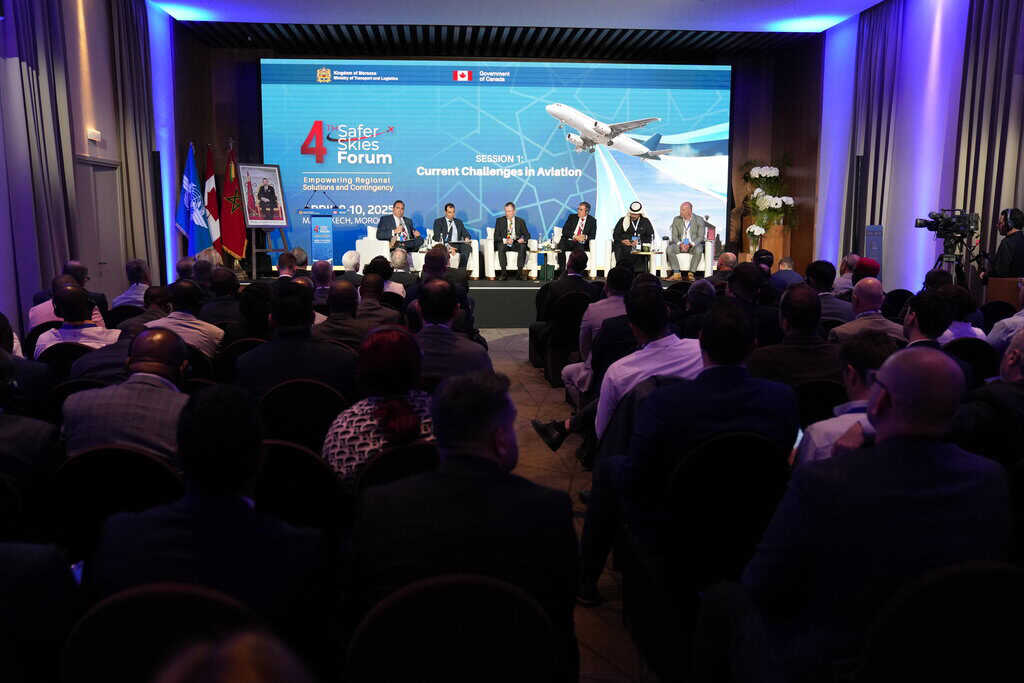
Morocco’s hosting of the 5th edition of this high-level international event reflects the importance the Kingdom places on the civil aviation sector and reaffirms its commitment to supporting global policies and initiatives that foster dialogue, exchange, knowledge sharing, and cooperation, with the aim of promoting the safety, security, and sustainability of the international civil aviation sector.
Morocco, through the organization of this edition of GISS, aims to give impetus to this platform for exchange and discussion, making GISS a truly comprehensive, inclusive, and continuous lever for the implementation of ICAO guidelines, standards, and recommendations, through :
- Organization of high-level panels and meetings;
- Raising awareness among civil aviation stakeholders about the role of ICAO and ICAO policy;
- Promoting a culture of safety and security in civil aviation;
- Showcasing technological advancements and innovations in the aviation sector;
- Encouraging the conclusion of cooperation agreements and initiatives between countries and maintaining cohesion among countries around ICAO’s overall objectives : No country is left behind;
- Discussion and exchange of methods, approaches, and best practices in implementing ICAO standards and recommendations.
Hosting this edition in Morocco also provides an opportunity to boost South-South cooperation, particularly with African countries, whose air transport and civil aviation sectors have been identified as a driver of mobility and access, as well as a lever for promoting economic exchange.
UA: How does hosting GISS align with Morocco’s long-term vision for aviation development and your role as a regional leader in Africa and beyond?
HE: Morocco’s hosting of “Global Implementation Support Symposium 2026” is fully aligned with the Kingdom’s strategic development vision, which is built on strengthening air connectivity, promoting sustainability, enhancing resilience, and deepening international cooperation. Drawing on its strategic position at the crossroads of Africa, Europe, and the Middle East, as well as on the significant progress achieved in the development of aeronautical infrastructure, air connectivity, human and institutional capacity-building, and the modernization of the regulatory framework, Morocco affirms through this symposium its determination to play an active role in global civil aviation initiatives. GISS 2026 illustrates the Kingdom’s ambition to position the country as a key contributor to the collective advancement of the global civil aviation system.
The symposium also complements Morocco’s strong commitment to continental initiatives such as the Single African Air Transport Market (SAATM), which aims to liberalize air transport and enhance intra-African air connectivity. As the first African country to host this global event, Morocco reaffirms its role as a key regional leader, actively contributing to initiatives aimed at strengthening cooperation and capacity-building efforts, as well as advancing the development of a safe, secure, and sustainable civil aviation system in Africa and beyond.
UA: What message would Morocco like to send to the global aviation community by welcoming GISS participants to Marrakech?
HE: We firmly believe that dialogue, knowledge-sharing, and strengthened cooperation constitute the foundations of a safe, sustainable, and inclusive global civil aviation system. Through the GISS, the Kingdom is confident that this platform will foster constructive exchanges and collective action, based on the conviction that solutions developed at the regional level, when shared internationally, can deliver tangible benefits for the global aviation community. Through this symposium, Morocco reaffirms its determination to play an active and responsible role in global civil aviation initiatives, contributing to the collective advancement of the global civil aviation system at international level and particularly in Africa.
UA: Morocco sits at a crossroads between Africa, Europe, and the Middle East. How does the Kingdom view its role in shaping regional air connectivity and mobility?
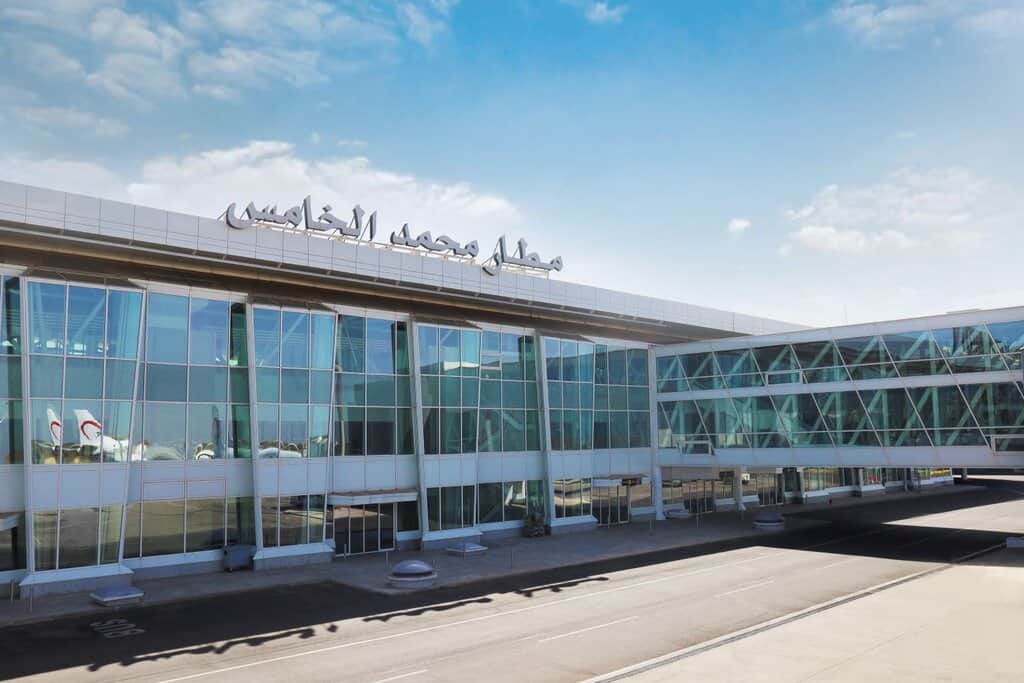
HE: As previously highlighted, Morocco considers its geographical position at the crossroads of Africa, Europe, and the Middle East to be a major strategic asset, enabling the Kingdom to play a central role in strengthening air connectivity and mobility at both regional and interregional levels. This position is further reinforced by sustained investments in modern airport infrastructure, ensuring high-quality air services and enhanced air connectivity, particularly through the consolidation of Casablanca Mohammed V International Airport’s role as a key hub at both the continental and international levels.
Air connectivity is not only a driver of economic growth and tourism development; it also serves as a vital lever for trade integration and regional resilience. Beyond infrastructure and air networks, Morocco places paramount importance on institutional cooperation, human resources capacity-building, and the modernization of the regulatory framework, which together constitute essential pillars for ensuring sustainable and secure air connectivity.
 UA: The GISS programme highlights examples like ASEAN and SAATM. How does Morocco see opportunities for Africa to advance and harmonize regional connectivity?
HE: Regarding the example of the Single African Air Transport Market (SAATM), Morocco sees a major opportunity to accelerate and harmonize air connectivity across the continent. While Africa still accounts for a modest share of the global aviation market, the continent remains one of the most promising regions for air transport development. By building on continental initiatives such as SAATM, and learning from successful regional integration models worldwide, the Kingdom believes that progress in Africa will depend on coordinated implementation of liberalization commitments, strengthened regulatory oversight, investments in infrastructure and human capital, as well as the establishment of effective cooperation.
Through platforms such as GISS, Morocco aims to foster dialogue, share best practices, and promote concrete solutions, thereby contributing significantly to the development of air transport at the regional, continental, and global levels.
UA: Panel discussions at GISS focus on safety, security, and resilience. What are Morocco’s priorities in strengthening aviation oversight and safety systems?
HE: Safety, security, and resilience are central pillars of Morocco’s civil aviation strategy. Our first priority is to consolidate a strong, credible, and internationally aligned safety oversight system, a commitment reflected in the positive results of Morocco’s most recent safety oversight audit conducted under the ICAO USOAP Continuous Monitoring Approach, which confirmed a high level of effective implementation. Building on this solid foundation, Morocco is focusing on three complementary priorities.
The first is the transition toward risk-based and performance-driven oversight, enabling authorities to better anticipate and manage emerging risks.
The second is regulatory modernization, to safely accommodate automation, digitalization, artificial intelligence, and new operational models, while preserving the highest levels of safety and security.
The third priority is system resilience, particularly in the areas of crisis preparedness, cybersecurity, and climate-related challenges.
These priorities are fully aligned with the themes of the GISS panels in Marrakech and with Morocco’s broader national vision, including the Airport 2030 strategy, which aims to ensure that aviation growth, innovation, and connectivity are supported by safe, secure, and resilient systems.
UA: Zero fatalities is an ambitious goal. In Morocco’s view, what innovations or partnerships are most essential for improving safety outcomes across regions?
HE: Zero fatalities is indeed an ambitious goal, but Morocco views it as a long-term, collective objective, not a slogan. Achieving it requires a systemic approach that combines innovation, strong institutions, and effective partnerships.
From an innovation perspective, Morocco considers mature Safety Management Systems (SMS), the intelligent use of safety data and predictive analytics, and the progressive integration of digital tools, automation, and artificial intelligence as essential to identifying and mitigating risks before they materialize into accidents. These technological advances must be accompanied by sustained investment in the human factor—through training, competency management, leadership engagement, and the promotion of a strong, just safety culture.
Partnerships are equally critical. Morocco places strong emphasis on regional cooperation, peer-to-peer support, and close collaboration with International Civil Aviation Organization. Safety outcomes can only improve if all States progress together, openly share experience and data, and benefit from coordinated capacity-building efforts, fully aligned with the spirit of the GISS and the No Country Left Behind initiative.
In conclusion, Morocco’s approach is fully consistent with the outcomes of the last ICAO Assembly (2025), which reaffirmed States’ commitment to a global aviation safety framework grounded in risk-based oversight, data-driven decision-making, strengthened safety governance, and enhanced regional cooperation—all essential pillars on the path toward zero fatalities.
UA: As emerging markets face infrastructure and financing challenges, what lessons has Morocco learned from its own airport modernization efforts?
HE: Morocco’s experience demonstrates that airport modernization must be guided by strategic planning, strong governance, and regulatory credibility, rather than by infrastructure expansion only. A key lesson is that investments should be phased and demand-driven, aligned with realistic traffic forecasts and national connectivity objectives.
Under the Airport 2030 vision, Morocco is prioritizing the development of smart, resilient, and passenger-centric airports, while ensuring full compliance with international safety, security, and certification standards. This approach helps prevent overcapacity, contain costs, and support long-term operational efficiency.
Another important lesson is the need to embed sustainability and resilience from the outset, by integrating energy efficiency, environmental performance, and climate adaptation as core design principles. Equally critical is maintaining a clear, stable, and credible regulatory framework, which strengthens confidence among airlines, investors, and financial institutions.
Overall, Morocco’s experience shows that successful airport modernization depends on the alignment of infrastructure development with sound regulation, institutional capacity, and long-term financial sustainability—an approach that is particularly relevant for emerging markets.
 UA: How can States work more effectively with development banks, financial institutions, and ICAO to build bankable, sustainable aviation projects?
HE: Morocco believes that effective cooperation with development banks, financial institutions, and ICAO starts with the early preparation of well-structured and credible projects. Bankable aviation projects must be supported by clear governance arrangements, realistic business models, and transparent financial assumptions, while fully integrating environmental, social, and climate considerations.
A stable and predictable regulatory framework aligned with ICAO standards is essential, as it reduces risk and builds investor confidence. Morocco’s experience shows that strong safety oversight and positive ICAO audit results play an important role in reassuring financial partners about the long-term viability of aviation investments.
ICAO has a key role as a trusted technical partner and facilitator, helping States align projects with international standards, strengthen institutional capacity, and bridge the gap between public-sector objectives and the expectations of financial institutions. Platforms such as the GISS, including innovative formats like the Aviation Investment Shark Tank, are particularly valuable in translating development needs into bankable and sustainable projects.
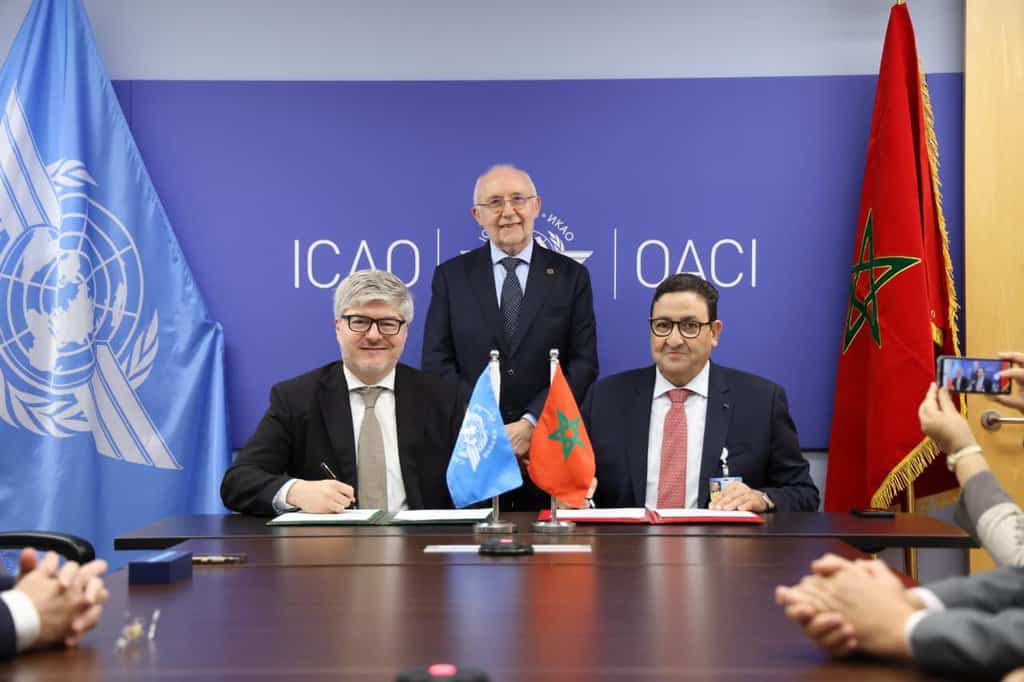
 UA: How does Morocco engage with ICAO’s implementation support programs, and what value does the Kingdom see in strengthening collaborative capacity development?
HE: Morocco maintains close and continuous engagement with ICAO’s implementation support programs, viewing them as a strategic instrument for strengthening its civil aviation system and ensuring sustained alignment with international standards.
Through this cooperation, Morocco has enhanced its regulatory framework, institutional effectiveness, and human resource capabilities, including in preparation for ICAO audits and continuous monitoring mechanisms. The positive results achieved under the ICAO safety oversight audit process reflect the value of this structured engagement and the Kingdom’s strong national ownership of ICAO Standards and Recommended Practices.
Morocco sees collaborative capacity development as particularly valuable because it promotes knowledge sharing, peer learning, and regional cooperation. Rather than isolated efforts, this approach builds durable capabilities and supports a more consistent and resilient global aviation system.
UA: In the context of the “No Country Left Behind” initiative, how does Morocco view its contributions to supporting regional partners?
HE: Morocco strongly supports the No Country Left Behind initiative and views it as a shared responsibility and a concrete commitment. The Kingdom believes that the safety and sustainability of global aviation depend on the ability of all States to effectively implement ICAO standards.
In this context, Morocco considers its role as both a beneficiary and a contributor. Drawing on its experience in regulatory reform, safety oversight audits, and airport modernization, Morocco is committed to sharing expertise, best practices, and lessons learned with regional partners, particularly in Africa. This includes support in regulatory alignment, capacity building, and preparation for ICAO audits.
By hosting the GISS in Marrakech, Morocco is also providing a platform for dialogue, partnership, and practical cooperation. The Kingdom firmly believes that regional solidarity and collaborative capacity development are essential to ensuring that no State is left behind and that aviation continues to serve as a safe, resilient, and inclusive driver of development.
UA: What are Morocco’s priorities in building the next generation of aviation professionals?
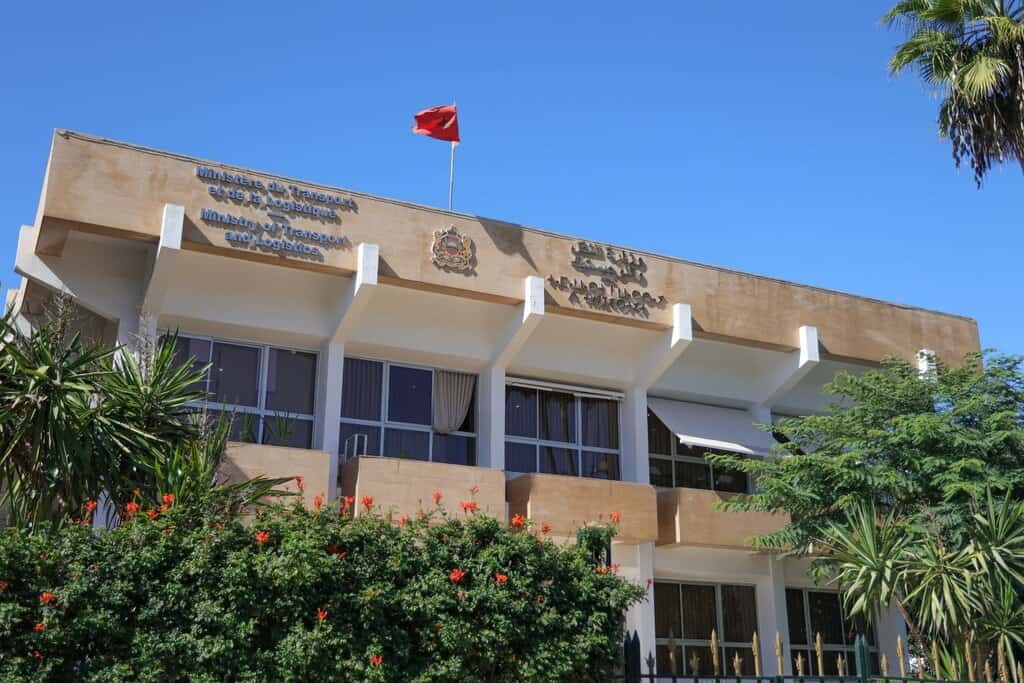
HE: Morocco’s priorities in building the next generation of aviation professionals focus on education, training, and skills development to support a modern and growing aviation sector. Our Kingdom emphasizes technical training in areas such as airport operations, air navigation, safety, and aircraft maintenance to ensure alignment with international standards.
A key pillar of this effort is the Académie Internationale Mohammed VI de l’Aviation Civile (AIAC), a recognized center of excellence in civil aviation training. Alongside its multidisciplinary academic programs, including Civil Aviation Engineers, Air Traffic Managers (controllers), and Aviation Safety Electronics, the Academy plays a major role in regional and international capacity-building. In fact, the AIAC AVSEC Center in Casablanca has been certified by ICAO since 1997, as a Regional Training Centre for civil aviation security, enabling it to play a key role in the training and qualification of aviation security professionals in full accordance with international civil aviation security standards. Furthermore, AIAC is the first French-speaking ICAO-accredited member of the TRAINAIR network and holds the TRAINAIR Plus label. It also organizes recurrent and proficiency training sessions for airports staff and Moroccan and African partners, reinforcing regional knowledge-sharing and professional development.
Collaboration with ICAO and other international and regional partners provides opportunities for capacity-building, knowledge-sharing, and exposure to global best practices. Morocco also seeks to develop skills in emerging technologies and sustainable aviation, while promoting clear career pathways to attract and retain talent.
UA: Which workforce development models or partnerships are most promising?
HE: The most promising workforce development models are those built on strong public–private partnerships and an open, collaborative approach involving aviation industry stakeholders, civil aviation authorities, training institutions, and technology providers. Close cooperation among civil aviation authorities, combined with active engagement of airlines, airports, manufacturers, and service providers, helps ensure that training programmes remain relevant, practical, and aligned with operational realities. Equally important is the adoption of innovative learning and skills-enhancement methods, including digital learning platforms, simulation-based training, and competency-based approaches, supported by emerging technologies. These models must also guarantee the continuous updating of training curricula to reflect regulatory evolutions, technological advances, and new operational concepts in civil aviation. Finally, strengthening exchanges and international cooperation for the sharing of best practices plays a critical role in building a resilient, future-ready aviation workforce capable of supporting safe, secure, and sustainable aviation systems worldwide.
UA: What concrete outcomes does Morocco hope to see from GISS 2026?
HE: From GISS 2026, Morocco expects concrete and actionable outcomes that translate dialogue into impact. We view this event as a key platform for building strategic partnerships with states, international organizations and industry stakeholders, and for fostering practical cooperation in priority areas of the aviation sector. Through the exchange of best practices in airport management, aviation safety, sustainability and technological innovation, we aim to enhance institutional capacities and ensure continued alignment with international standards.
In addition, Morocco expects GISS 2026 to serve as a catalyst for collaborative projects and joint initiatives, particularly in airport modernization, the digitalization of air services and professional training. Such cooperation is essential to reinforce the competitiveness and resilience of our aviation ecosystem and to respond effectively to the growing demands of the sector.
UA: How does Morocco envision the long-term impact of hosting this event?
HE: Morocco has, in recent years, positioned itself as a trusted host for major international events, reflecting its openness, stability and strong commitment to multilateral cooperation. GISS 2026 is a particularly significant milestone in this trajectory, as it brings together the world’s leading policymakers, industry experts, and innovators in the field of civil aviation.
It is an opportunity to generate long-term benefits that go well beyond the duration of the event itself. Strategically, it will strengthen our position as a regional and international aviation hub, showcasing our modern airports, connectivity, and expertise.
At the same time, it will promote knowledge-sharing and capacity-building, allowing our professionals to learn from global best practices and adopt innovations in safety, sustainability, and technology.
UA: As we come to a close here, what would you like international participants to remember most about their GISS experience in Marrakech?
HE: Beyond the city’s vibrant culture and rich heritage, we sincerely hope that participants will remember Marrakech as much more than the host city of GISS 2026. Our ambition is for it to be seen as a welcoming and inspiring place where meaningful dialogue took place, where ideas were openly exchanged, and where practical and innovative solutions emerged through constructive engagement.
GISS 2026 should be remembered as a milestone at which a shared commitment among States, international organizations and industry partners was translated into concrete and coordinated action for the future of global air transport. In hosting this important ICAO event, Morocco reaffirms its attachment to multilateralism, cooperation and sustainable development.