
Human-induced climate change influences weather and climate extremes across all regions, according to the United Nations Intergovernmental Panel on Climate Change (IPCC) Sixth Assessment Report (2022). Growing shifts include more intense and frequent heatwaves on land and in the ocean, prolonged droughts, and an increased frequency of wildfires. The impacts ripple across ecosystems and societies alike, leading to biodiversity losses that can include tree and coral mortality, the spread of disease, even human fatalities.
Climate change and aviation
The aviation sector is not immune to these challenges. Extreme weather, shifting precipitation patterns, rising sea levels, and stronger storms threaten airport operations, aircraft performance, and passenger safety. Changing conditions directly affect airport cooling requirements, drainage systems, runway usability, and overall flight efficiency.
 While the aviation system has a degree of built-in resilience, it is facing increasing pressure. Since we cannot reverse the effects of climate change, slowing its progression and strengthening climate adaptation practices is essential. Given the sector’s critical role in enabling global connectivity and economic growth, ensuring aviation infrastructure and operations can withstand future climate impacts must be a top priority. To plan effectively at local, regional, and global levels, a clearer understanding is needed of where, when, and how climate change will affect aviation, and which adaptation measures will deliver the most effective results.
Mitigation and adaptation: Two sides of the climate response
Addressing climate change requires both mitigation and adaptation. Mitigation focuses on reducing aviation’s contribution to climate change, mainly through cutting greenhouse gas emissions. This includes transitioning to aviation cleaner energies, adopting cleaner technologies, improving operations and implementing a single global market-based measure, i.e. ICAO’s Carbon Offsetting and Reduction Scheme for International Aviation (CORSIA).
Adaptation prepares the sector to cope with and minimize the impacts of a changing climate. It involves making proactive adjustments to infrastructure, operations, and planning to ensure continued safety and efficiency under new environmental conditions. Examples include:
- Reinforcing airport facilities: Airports can bolster resilience against floods, storms, and heatwaves by reinforcing terminals, runways, and drainage systems; constructing seawalls or flood defenses; and incorporating green infrastructure such as vegetated roofs and improved water management systems.
- Upgrading air traffic management: Integrating advanced weather forecasting tools, optimizing routing to avoid adverse weather, and investing in better snow and ice removal systems can help maintain operational efficiency and safety during extreme weather events.
- Adapting aircraft performance to new environmental challenges: Aircraft design and systems may need to evolve to handle higher temperatures, variable air density, and increased turbulence, through innovations in cooling systems, aerodynamic design, and engine performance optimization.
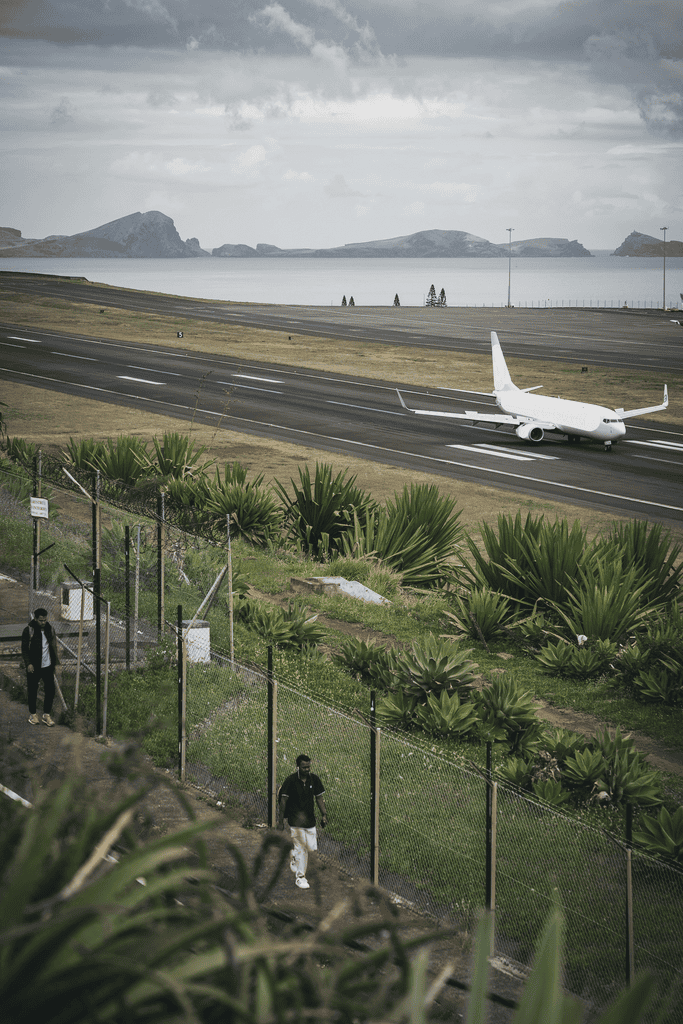 When it comes to addressing the ongoing challenges of climate change, climate adaptation is just as vital as climate mitigation. Integrating effective climate adaptation measures within policy, planning, and operations is therefore crucial, especially for the most vulnerable regions.
Vulnerable regions and populations
Climate impacts are not distributed evenly. While weather and climate extremes affect all regions, the most vulnerable populations and systems bear a disproportionate burden. Small Island Developing States (SIDS) are particularly at risk, facing threats like sea level rise, storm surges, and limited freshwater resources. These challenges are compounded by local constraints, such as limited funding, personnel, and infrastructure capacity.
This brings significant challenges given that SIDS are often key tourism destinations, relying on airports to maintain connectivity and support local socioeconomic development. Similarly, in remote areas, like the Indigenous communities in Canada, aviation is essential for accessing vital supplies and services. For vulnerable locations, identifying and prioritizing vulnerabilities is essential to building resilience and ensuring the continuity of vital aviation services that connect communities and economies.
ICAO’s role and the climate adaptation synthesis report
Consistent with the decisions made during the 42nd ICAO Assembly, ICAO is committed to supporting States and stakeholders in developing aviation climate change adaptation plans. We provide targeted assistance and practical tools that were designed to enable effective responses to adaptation challenges.
The 2024 edition of ICAO’s Climate Adaptation Synthesis Report (shared below) outlines current and projected climate risks to international aviation, including impacts on airports, airlines, and air navigation services. Drawing on the latest scientific data, stakeholder input, and practical examples, the report provides actionable recommendations for resilience planning. It also highlights the urgent needs of SIDS and other vulnerable regions, helping ensure that no country is left behind when it comes to adapting to a changing climate.
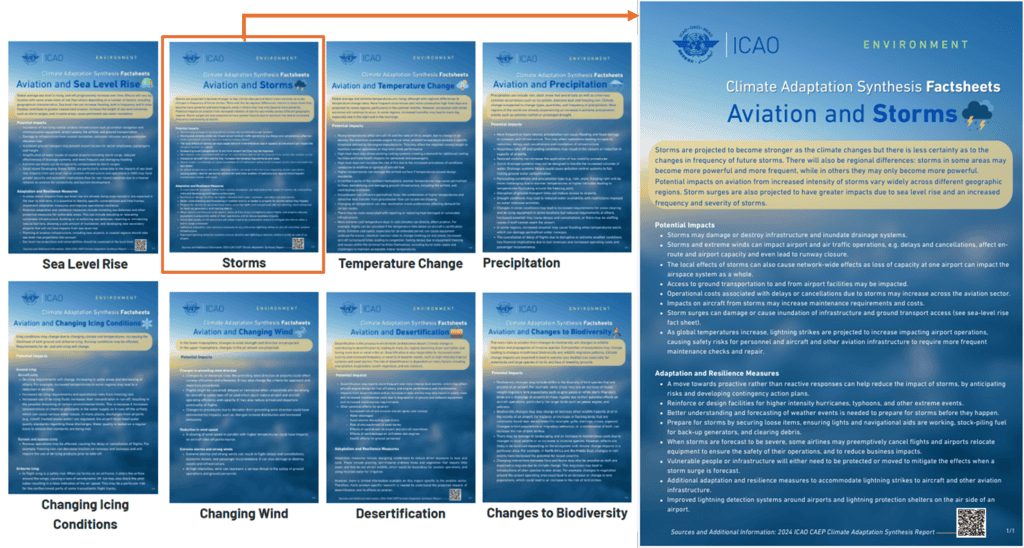
To facilitate practical implementation, ICAO has produced a series of fact sheets summarizing essential information on climate effects, impacts, and adaptation strategies. These resources are specifically developed for airport operators, regulators, airlines, and other aviation stakeholders, offering succinct summaries and actionable recommendations to aid the integration of climate adaptation measures throughout the sector. These fact sheets are important assets when it comes to raising awareness, guiding informed decision-making, and promoting proactive efforts to strengthen resilience against evolving climate risks.
While ICAO provides essential guidance and tools to support climate adaptation, the effectiveness of these efforts relies on strong coordination and collaboration among States, industry stakeholders, and international partners.
Coordination and collaboration
In line with ICAO Assembly decisions, ICAO is committed to working closely with international partners and organizations on climate adaptation. This includes United Nations partners, regional organizations, airports, airlines, and research institutions, to support States and stakeholders in strengthening the resilience of the global aviation system. As climate‑related risks continue to intensify and evolve, sustained collaboration will be essential to advancing innovative risk‑management approaches, climate‑resilient infrastructure planning, and adaptive operational practices across the sector.
One example is the UN Coalition on Sand and Dust Storms, which enhances data sharing, early warning systems, and policy coordination across UN agencies. Collaboration also extends to partnerships that advance the integration of climate information services, enhance infrastructure design standards, and support capacity-building initiatives, particularly in developing countries and SIDS. Through these joint efforts, the global aviation community is better equipped to anticipate risks, share solutions, and implement coordinated adaptation measures that safeguard the sustainability of international air transport.
Read more about this in our articles on Clean Air, Desertification and on Sand and Dust Storms.
Building on these, we are looking forward to the upcoming ICAO Green Airports Seminar 2026 (date and location will be announced soon), where adaptation to climate impact will feature prominently alongside other sustainability priorities. The Seminar will provide an important platform for exchanging good practices, advancing joint initiatives, and reinforcing collective efforts to enhance the aviation sector’s preparedness for future climate challenges.

Strengthening aviation resilience: Looking ahead
This year also marks a significant milestone for sustainable transport globally, given that the UN Decade of Sustainable Transport calls on the international community to build integrated, resilient, and low-carbon transport systems. Aviation’s ability to adapt to a changing climate has never been more consequential. Our leadership in this space sends a clear signal to the broader transport sector: that proactive, coordinated, and science-based adaptation is both achievable and necessary to safeguard the connectivity that communities and economies worldwide depend on.
Within this evolving landscape, ICAO continues to play a central role in guiding the aviation sector’s adaptation efforts. Through the development of targeted guidance, practical tools, capacity‑building initiatives, and the facilitation of collaboration among stakeholders, ICAO supports the integration of climate resilience into aviation planning and decision‑making. We are firmly committed to promoting a resilient and sustainable aviation system, ensuring all States are equipped to address emerging climate risks, while leaving no country behind in strengthening climate resilience across the aviation sector.