When government and industry leaders from across Africa gathered for this year’s African and Indian Ocean (AFI) Aviation Week, they strengthened cooperation across ICAO’s strategic priorities – and they signed new cooperation agreements! Bringing together aviation leaders, technical experts, and international and regional partners, the week provided a forum for assessing the region’s aviation performance, establishing priorities for 2026–2027, and identifying practical solutions to support their implementation.
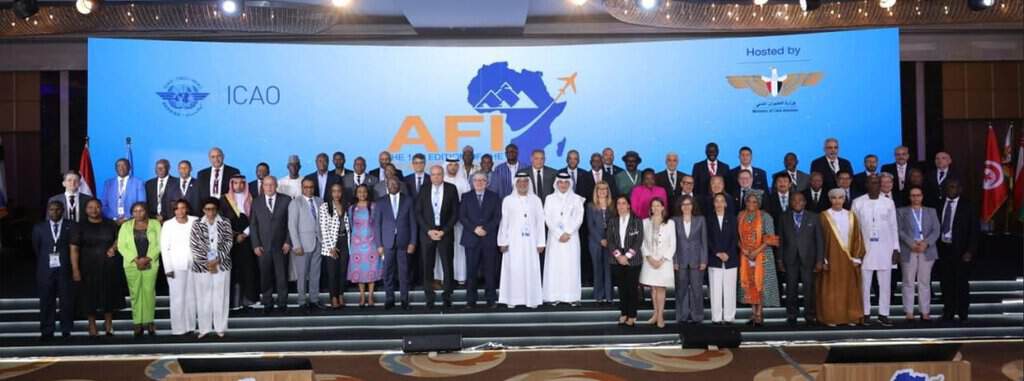
The discussions came at an important time.
When the event opened on 27 July 2026, AFI Aviation Week was convened by ICAO and hosted in Cairo by the Government of the Arab Republic of Egypt. Throughout the week, delegates reviewed aviation performance across the AFI Region and identified implementation priorities. This included focused talks on the implementation of the Single African Air Transport Market, strengthening institutional capacity, mobilizing sustainable financing, and developing a coordinated African position ahead of ICAO’s Seventh Worldwide Air Transport Conference to be held this November in Montréal.
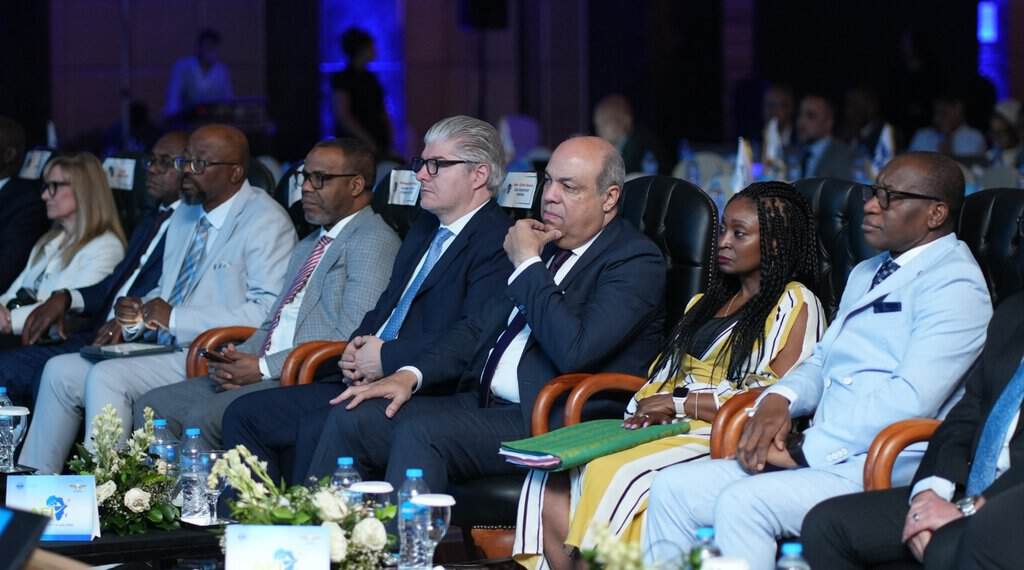
One of our important priorities at ICAO is our mission to ensure that No Country is Left Behind, where partnerships with Member States and international organizations play a critical role. Through our Resource Mobilization Strategy, we work with key stakeholders across the globe to secure the financial and technical resources needed to support capacity development, implementation assistance, and transformative aviation projects. These contributions not only strengthen the foundation for safe, secure, and sustainable aviation, but also help States align with the broader United Nations Sustainable Development Goals—making aviation a powerful driver of inclusive growth and global development.
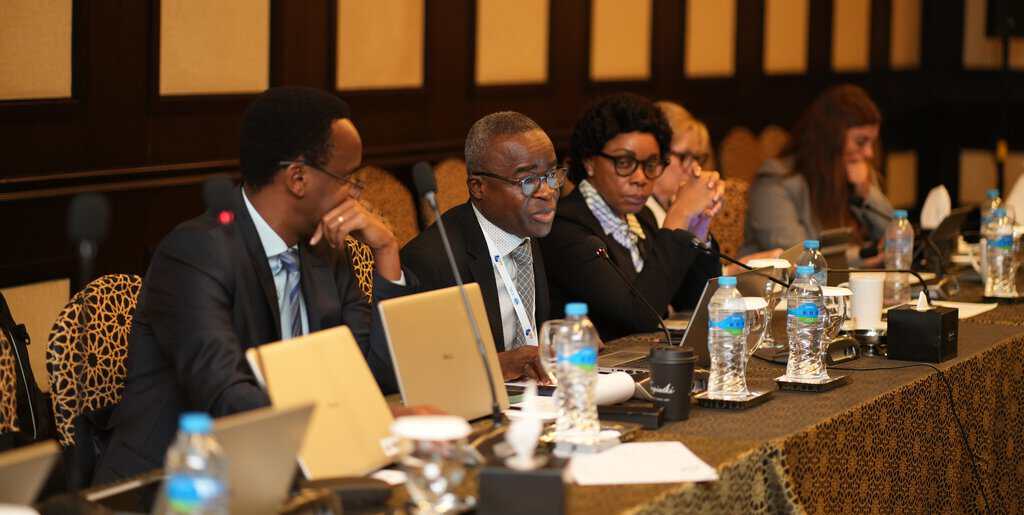
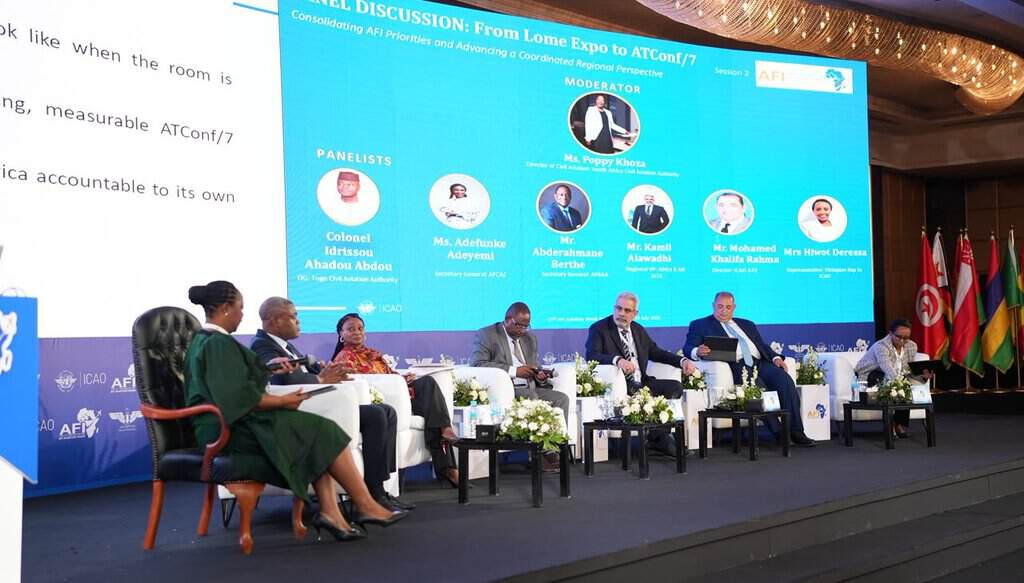
“African ownership and leadership must always be at the centre of implementation,” remarked Secretary General Salazar. “ICAO, through its Headquarters and Regional Offices, will stay fully committed to supporting Member States and partners as you move forward.”
To see more pictures from this event, click here.
The future of international air transport will take centre stage this November when we convene the Seventh Worldwide Air Transport Conference (ATConf/7) from 16 to 20 November 2026 at ICAO Headquarters. Though it is only held once a decade, this Conference is our highest-level global forum dedicated to the long-term strategic direction of international air transport. Under the theme, Air Transport: Powering Global Connectivity, Economic Development and Resilience in a Dynamic World, ATConf/7 will examine the trends, opportunities and challenges shaping aviation and help define priorities for the decade ahead.
This event will bring together senior government officials responsible for aviation policy—including representatives working across transport, infrastructure, finance, economic development and tourism—alongside invited international and regional organizations and industry stakeholders engaged in the economic development of air transport. Discussions will address policy issues ranging from economic regulation and infrastructure financing to innovation, resilience and sustainable growth, with these specific goals to:
- Advance economic regulatory frameworks to adapt to evolving market trends and technologies by leveraging data
- Enhance industry resilience by addressing workforce, supply chain, market access, emergency response gaps and consumer protection
- Mobilize blended financing to support civil aviation infrastructure
- Shape economic policy foundations for innovation and emerging technologies
- Strengthen institutional and human capacity
- Enable sustainable and inclusive growth in air transport