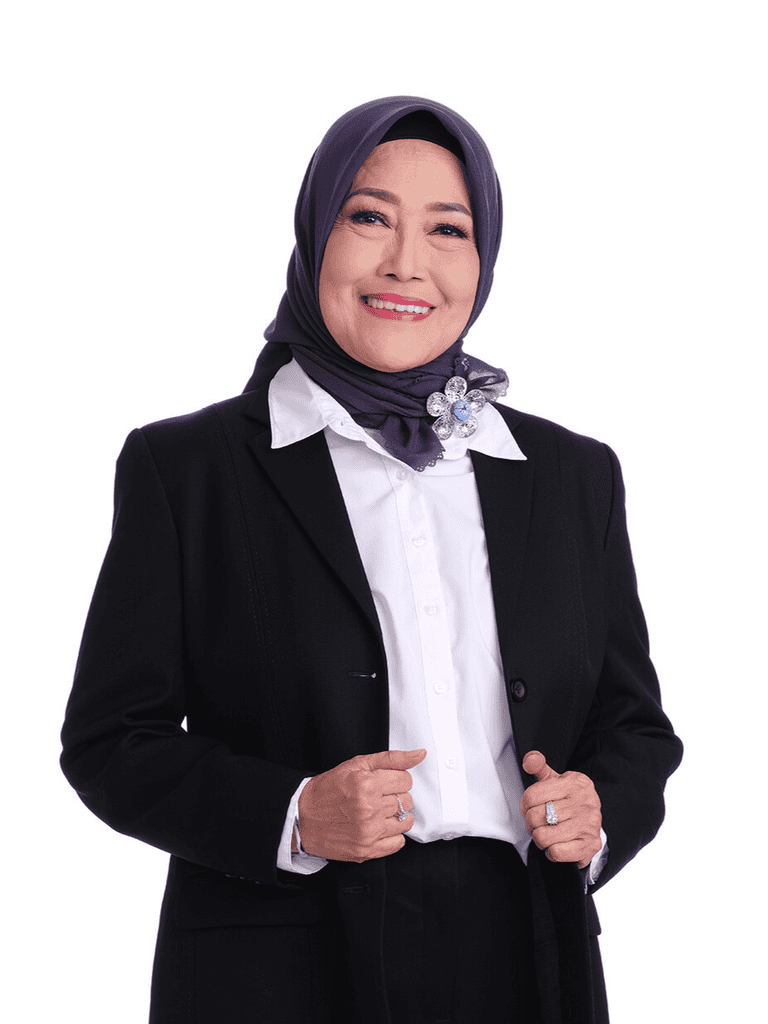
AirNav Indonesia is the State-owned air navigation service provider responsible for managing flight navigation, air traffic services, and communications across Indonesian airspace. Established in September 2012, the organization operates 67 branches, supporting safe and efficient flight operations across the country. Our Bangkok Office recently interviewed Ms. Polana B. Pramesti, a pioneering figure in Indonesia’s aviation sector and the first female Chief Executive Officer of AirNav Indonesia. A distinguished leader and accomplished public servant, she has built an exceptional career spanning airport infrastructure, air navigation services, and national aviation policy.
With a leadership journey that included senior roles within Indonesia’s Directorate General of Civil Aviation, PT Angkasa Pura I, and the Ministry of Transportation, Ms. Pramesti has consistently demonstrated vision, resilience, and a strong commitment to advancing aviation safety and service excellence. In this interview, Ms. Pramesti shares insights from her professional journey, leadership experiences, and perspectives on the future of air navigation services.
PBP: My interest in technical fields began with my passion for mathematics and logical problem-solving from a young age. I realized early that I wanted a career where analytical thinking, precision, and discipline were essential.
My inspiration also came from my late father, an air traffic controller, whose dedication showed me the responsibility behind keeping aviation safe and efficient. He encouraged me to be independent, confident, and never feel limited as a woman.
One of the biggest challenges I faced was the way people sometimes underestimate women’s capacity in technical fields. In aviation, a male-dominated industry, there can be an unspoken belief that men are naturally more suited for engineering, operations, or other technical roles. I experienced moments where I had to work harder to be taken seriously, explain myself more, or prove that I deserved to be in the room. It wasn’t always direct discrimination—sometimes it was subtle: being questioned more than others, assumptions about handling pressure, or fewer opportunities at the start.
Another challenge is balancing professional growth with personal responsibilities. This can create pressure, fatigue, and even guilt. What helped me was learning to manage priorities and set boundaries. Ultimately, staying connected to my purpose—and maintaining passion, professionalism, and resilience—allowed me to grow in a highly demanding industry.
APAC: You were recognized as the Best CEO Role Model for Women’s Leadership, and under your leadership, AirNav Indonesia achieved major milestones, including being named “Best BUMN 2022.” In your view, what distinguishes your leadership style, and how did it contribute to these achievements?
PBP: I assumed leadership of AirNav Indonesia during the COVID-19 pandemic, when the aviation industry was facing unprecedented challenges due to a significant decline in air traffic.
It was a very difficult period, but through a persuasive and collaborative leadership approach, we focused on strengthening trust and cooperation among all stakeholders, both internally and externally.
My leadership approach is grounded in collaboration, transparency, and maintaining strong trust. By encouraging teamwork and a shared commitment to safety and service reliability, AirNav Indonesia remained resilient during the crisis.
Through collective effort and a clear focus on service excellence, the organization maintained strong performance and received national recognition, including Best BUMN 2022 for Top Financial Performance and Advancement of Aviation Services. These achievements reflect the dedication and professionalism of the entire AirNav Indonesia team.
APAC: Since the beginning of your career, how have you seen the aviation industry evolve in terms of gender diversity? What steps did you take to address stereotypes or misconceptions about female leaders?
PBP: Aviation plays a critical role in Indonesia as an archipelagic country, yet women’s representation—especially at the C-suite level—has historically been very limited.
Since the beginning of my career, I have seen meaningful progress in gender diversity, although the change has been gradual, particularly at senior levels.
The industry increasingly recognizes that diversity strengthens organizational performance, decision-making, and safety culture. However, women remain underrepresented in technical and leadership positions.
Throughout my journey, I addressed stereotypes by focusing on competence, measurable performance, and professionalism. Delivering consistent results and maintaining strong leadership discipline helped build credibility.
Equally important is encouraging and mentoring the next generation so that more women feel confident entering technical and leadership roles in aviation.
APAC: Could you share a defining moment in your career that shaped your leadership approach?
PBP: A defining moment came during a period when I felt consistently underestimated despite delivering strong results.
The turning point occurred when a senior leader trusted my capability and appointed me as Project Manager for a major project. That opportunity demonstrated that performance and reliability can overcome bias when leaders recognize talent based on merit.
Another influential moment was meeting Angela Gittens, whose leadership in global aviation reinforced my belief that women can lead successfully in this industry.
These experiences shaped my leadership philosophy in three ways:
- I lead with substance and results, focusing on preparation, execution, and measurable outcomes.
- I support and develop overlooked talent, ensuring that performance is visible.
- I lead with resilience and high standards, making decisions based on safety, facts, and long-term value.
APAC: What advice would you give to young women aspiring to build a career in aviation?
PBP: Aviation is a global industry built on safety, standards, and professionalism, and it needs the best talent regardless of gender. My advice is simple: Learn always, love always, be a role model, and leave an impact. Commit to continuous learning, maintain passion for the mission of aviation, lead with integrity and professionalism, and focus on creating meaningful impact.
True leadership is not only about reaching positions, but about improving systems, strengthening safety culture, and opening opportunities for the next generation.